

EXPLORE OUR REGIONAL GEAR LISTS
For Long, Cold Winter Days Outdoors

REGION OR WEATHER TYPE
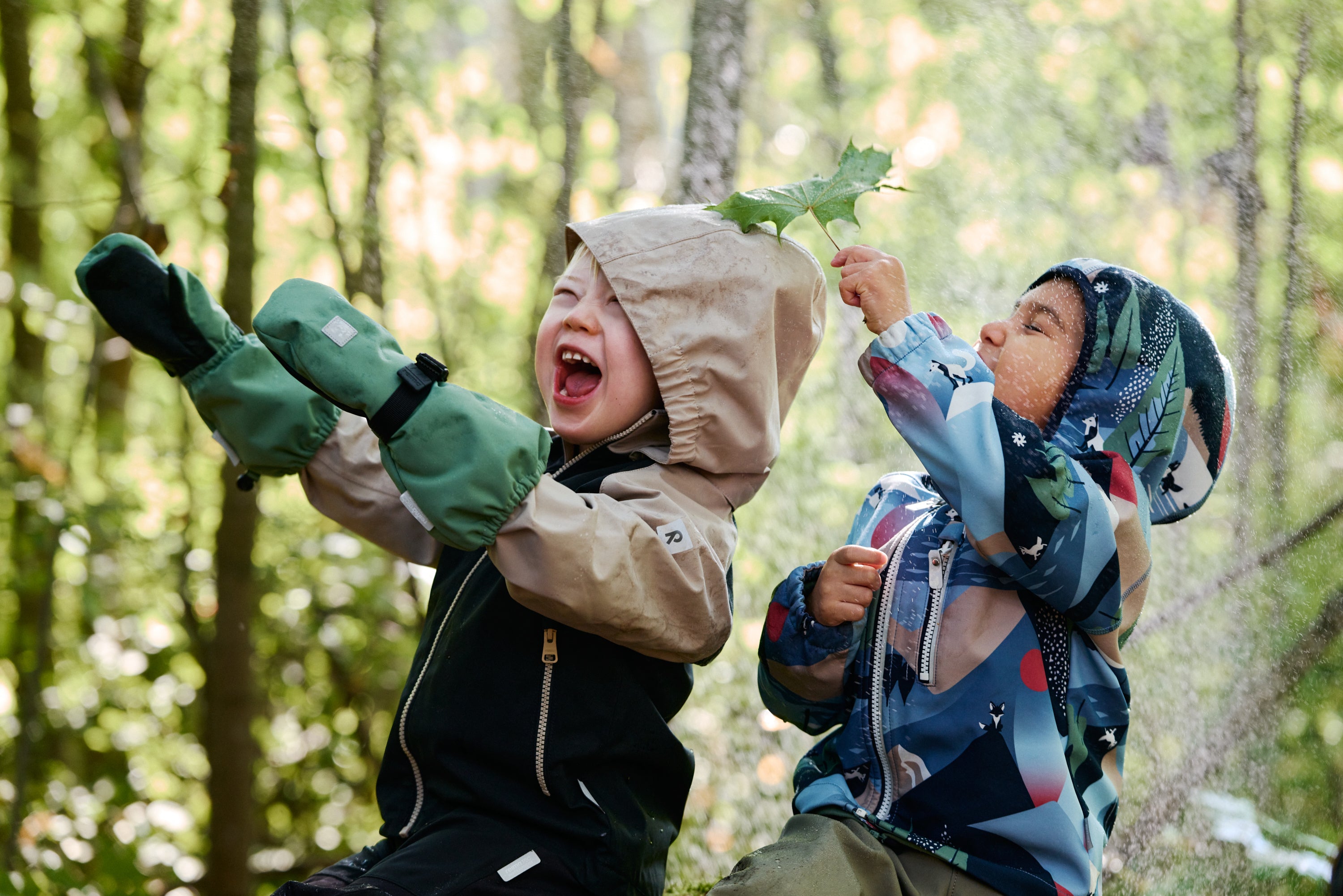
In the Upper Midwest, Northern Plains, and Canada-adjacent states and other regions with similar weather, outdoor school gear works as three systems used throughout the year, rather than one kit per season.
Rather than switching kits every season, families rotate layers based on the weather. This approach keeps kids warm and comfortable through long, cold winters and changing conditions, while helping parents avoid buying more than they need.
- Cold weather gear is used for much of the winter and is typically worn in dry, snowy conditions, where insulation and wind protection are the primary needs. In these regions, windproof outer layers help insulation work more effectively and allow gear to be used across a wider range of temperatures.
- Rain gear is used during spring, fall, and periods of snowmelt or wet weather.
- Layers are added or removed to manage temperature changes throughout the day.
WHAT YOU'LL NEED
Snow stays on the ground and kids need real insulation every day
- Rain pants/bib (consider Shell pants as an alternative – more durable and breathable)
- Rain Jacket (consider a Shell jacket as an alternative – more durable and breathable)
- Rain mittens (or shell mittens)
- Rain Hat (optional if jacket has a hood, but visibility is better w/ a hat vs. a hood for children)
- Insulated waterproof snow jacket
- Insulated waterproof snow pant
- Prefer a one piece option? Select an insulated waterproof snowsuit
- Insulated waterproof snow mittens or gloves
- Wool socks and/or tights
- Appropriate hat – one for fall/spring and warmer one for winter
- Neckwarmer
- Balaclava
- Base layers – wool or high-tech poly or function fleece – never cotton
- Mid layer jacket
- Mid layer pant
- Rain boots
- Insulated waterproof snow boots
For Snow, Slush, Freezing Rain, and Messy Winters
REGION OR WEATHER TYPE
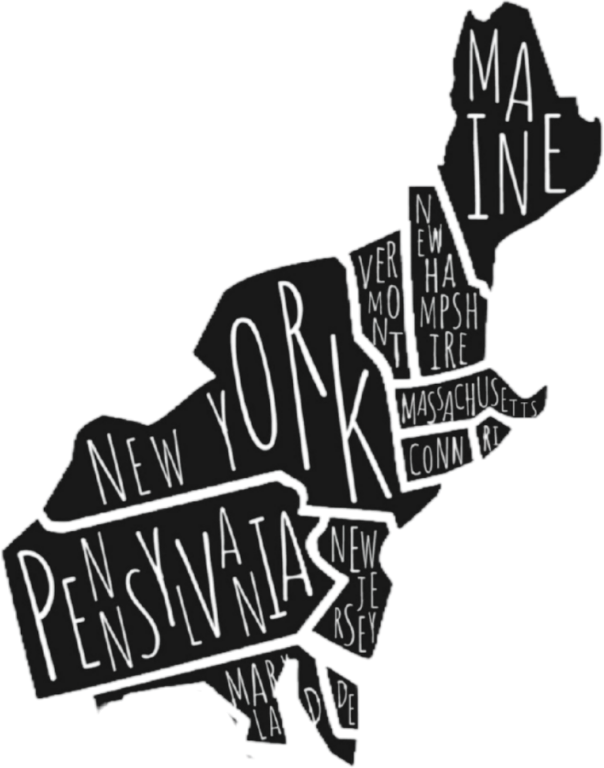
In the Great Lakes, Northeast, mountain regions, and other areas with winters that hover around freezing, outdoor school gear works as three systems used throughout the year, rather than one kit per season.
Rather than switching kits every season, families rotate layers based on the weather. This approach keeps kids warm, dry, and comfortable through wet, variable winters while helping parents avoid buying more than they need.
- Cold weather gear is used during winter, but these regions often experience wet snow, slush, and frequent freeze–thaw cycles, which means insulation alone is not always enough. On especially wet days, rain or shell layers are often worn over insulated gear to block moisture and wind.
- Rain gear is used throughout fall and spring, during winter thaws, and anytime conditions are wet or muddy.
- Layers are added or removed as temperatures fluctuate around freezing and weather conditions change throughout the day.
WHAT YOU'LL NEED
Winter is messy, wet, and cold- not dry and crisp
- Rain pants or bib (consider shell pants as an alternative — more durable and breathable)
- Rain jacket (consider a shell jacket as an alternative — more durable and breathable)
- Rain mittens (or shell mittens)
- Rain hat (optional if jacket has a hood — visibility is better with a hat vs. hood)
- Insulated waterproof snow jacket
- Insulated waterproof snow pants
- Prefer a one-piece? Choose an insulated waterproof snowsuit
- Insulated waterproof snow mittens or gloves
- Wool socks and/or tights
- Appropriate hat (one for fall/spring and a warmer one for winter)
- Base layers (wool, high-tech poly, or functional fleece — never cotton)
- Rain boots
- Insulated waterproof snow boots
For Kids Outside in Steady Rain
REGION OR WEATHER TYPE
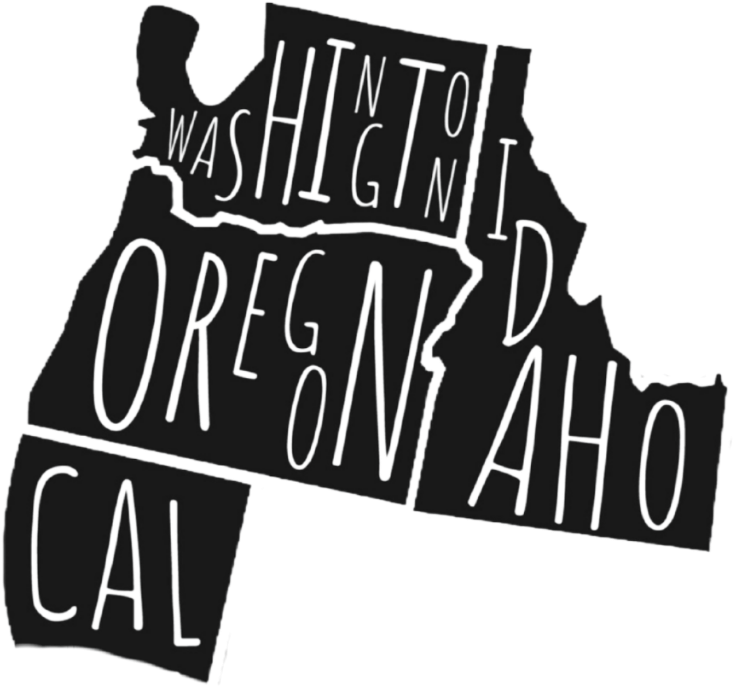
Wet, cool, and unpredictable—outdoor school in Washington, Oregon, and Northern California calls for reliable, waterproof gear that can handle long days outside in the rain.
In the Pacific Northwest, one high-quality set of waterproof outerwear often covers most school days. Because rain gear may not always dry out overnight, some families choose to add a second pair of rain pants or a backup rain set. Many opt for one durable primary set and a more affordable backup for especially wet mornings. Before investing in extras, see how often your child’s gear comes home damp - you may not need a second full set.
Waterproof accessories matter too. Rain mittens and hats help keep kids comfortable during long, wet days. Since damp weather can feel colder than it looks, smart base layers and cozy mid-layers are key. On drier days, a mid-layer jacket may even work as your child’s outer layer.
WHAT YOU'LL NEED
When staying dry matters most
- Rain pants/bib (consider Shell pants as an alternative – more durable and breathable)
- Rain Jacket (consider a Shell jacket as an alternative – more durable and breathable)
- Rain mittens (or shell mittens)
- Rain Hat (optional if jacket has a hood, but visibility is better w/ a hat vs. a hood for children)
- Outer jacket for cooler days in fleece or lightweight insulation
- Insulated waterproof snow/winter jacket
- Base layers – wool or high-tech poly or function fleece – never cotton
- Wool socks and/or tights
- Appropriate hat – one for fall/spring and warmer one for winter
- Thin gloves or mittens
- Rain boots
- Boot liner
For Unpredictable Days
REGION OR WEATHER TYPE
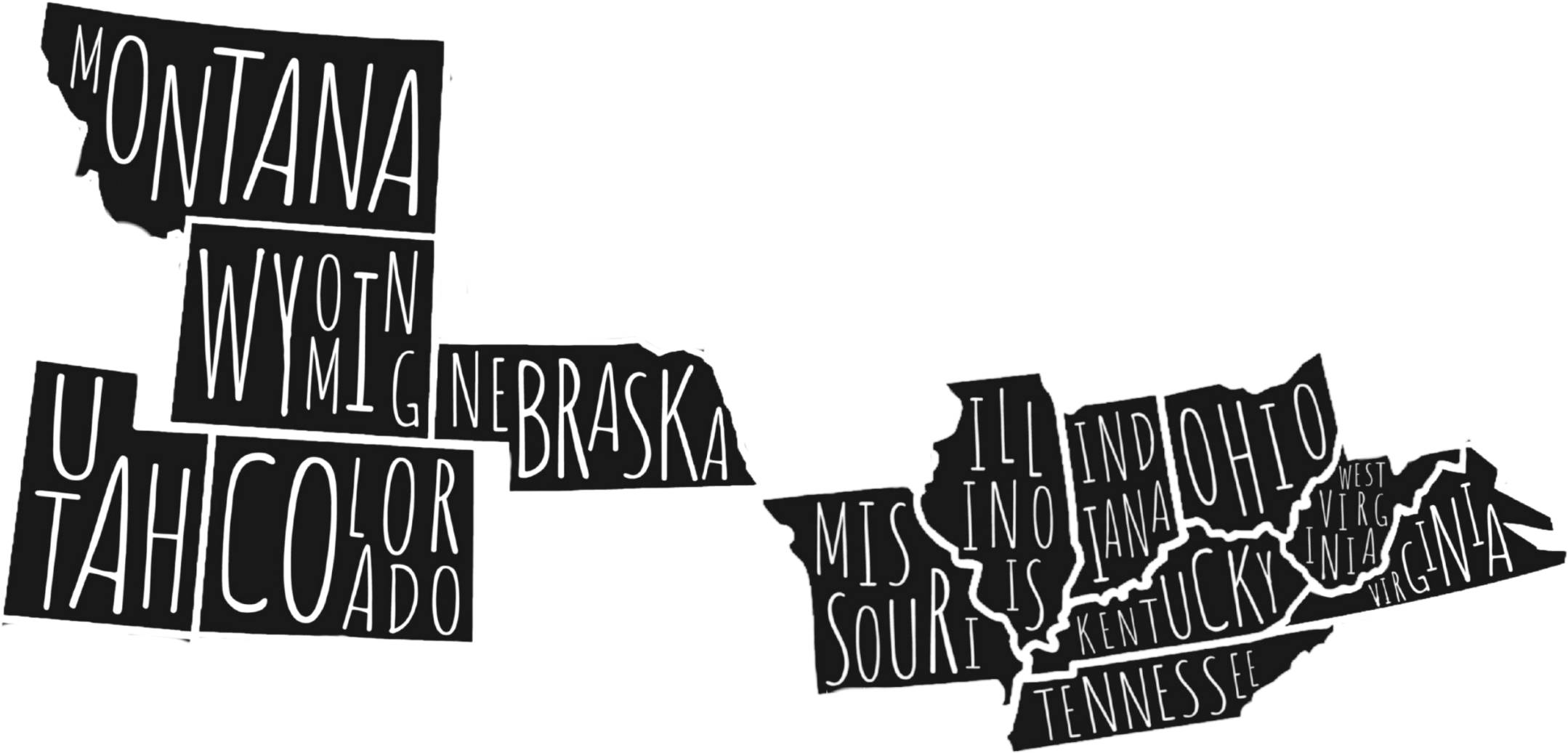
In Mid-Atlantic, Mountain, Inland West, and other regions with big daily temperature swings outdoor school outerwear works as a flexible system rather than one fixed outfit per season.
Most families rely on one primary set of waterproof outerwear, typically a shell or rain jacket paired with shell pants or bibs, worn with layers underneath to handle cold mornings, warm afternoons, wind, and sudden weather changes.
Some families choose an extra outer layer for convenience, especially if their child attends school multiple days per week, but this is not required to get started.
Layers do most of the adapting in these regions- base layers and insulating mid-layers can be added or removed throughout the day, and on dry days a mid-layer jacket may even work as the outer layer. This system allows the same gear to work across a wide range of conditions without overbuying or constant switching.
WHAT YOU'LL NEED
Mornings start cold, afternoons warm up, and conditions change throughout the day
- Rain pants/bib (consider Shell pants as an alternative – waterproof, durable, and breathable)
- Rain Jacket (consider a Shell jacket as an alternative – waterproof, durable, and breathable)
- Rain mittens (or shell mittens)
- Rain Hat (optional if jacket has a hood, but visibility is better w/ a hat vs. a hood for children)
- Outer jacket for cooler days in fleece or lightweight insulation
- Insulated waterproof snow/winter jacket. (Northern CA)
- Base layers – wool or high-tech poly or function fleece – never cotton
- Wool socks and/or tights
- Appropriate hat – one for fall/spring and warmer one for winter (Northern CA)
- Thin gloves or mittens
- Insulated Gloves or Mittens (Northern CA)
- Rain boots
- Boot liner
For Breathable Rain Protection
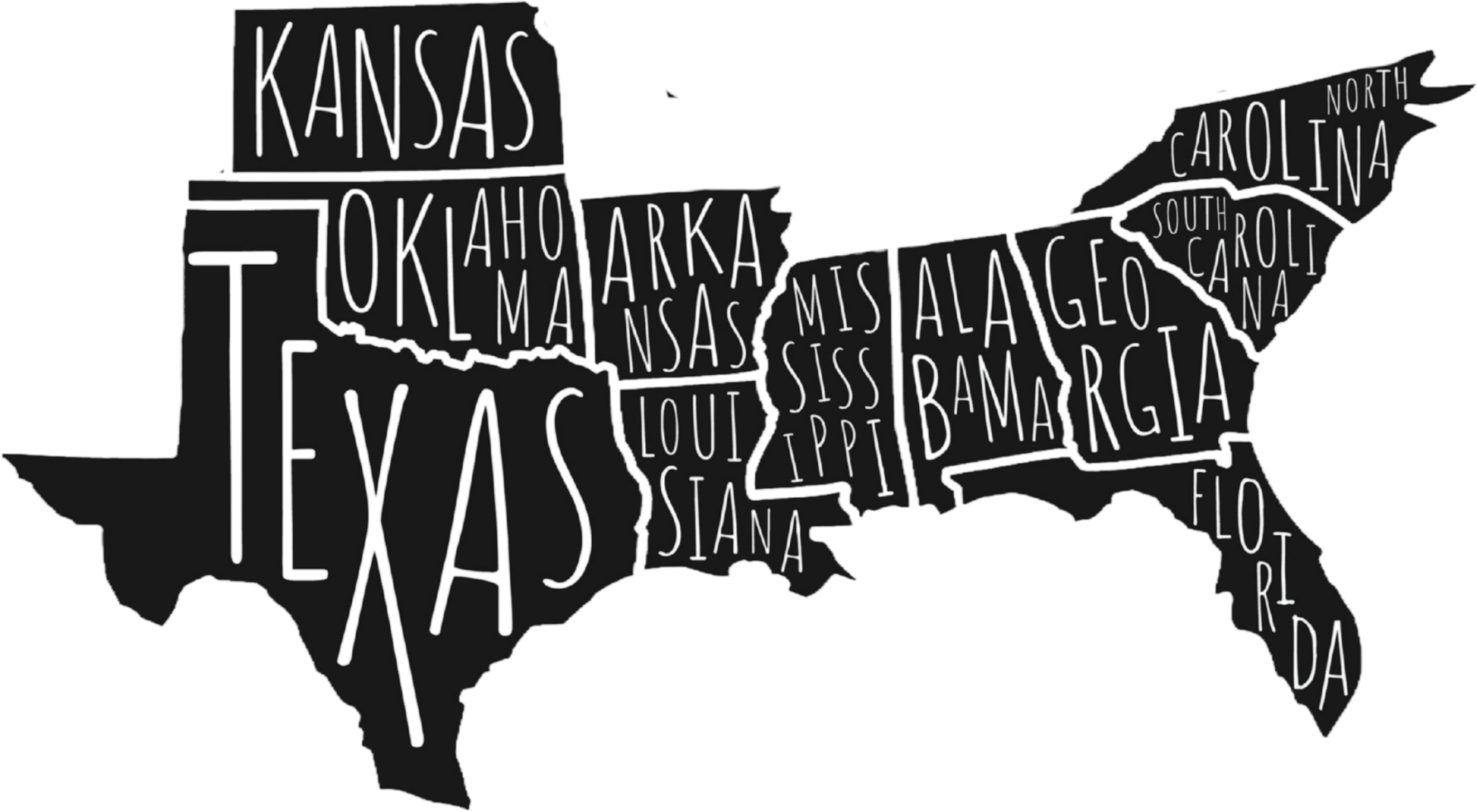
REGION OR WEATHER TYPE
Wet seasons in Southern States with moderate to warm temperatures
This kit includes either waterproof, breathable separates (a rain or shell jacket paired with rain or shell pants or bibs) or a waterproof, breathable one-piece suit made from lightweight rain or shell material. The best choice depends on your child’s comfort and your school’s recommendations—separates offer flexibility, while a one-piece can be simple and secure for younger kids.
When rain is the main challenge and temperatures aren’t cold, breathability matters as much as waterproofing. Lightweight shells help keep kids dry while allowing heat and moisture to escape, so they stay comfortable during long outdoor days.
If the weather feels cool at times (but there’s no snow), add smart base layers and light mid-layers underneath as needed - especially if your child runs cold. Smart base layers are thin, moisture-managing layers worn next to the skin, such as lightweight wool or high-performance synthetic tops and bottoms (never cotton). Light mid-layers add warmth without bulk and can be easily layered on or off, like fleece jackets, pullovers, or lightweight insulated layers.
WHAT YOU'LL NEED
Kids are outside in long periods in rain and need to stay dry without overheating
- Rain pants/bib (consider Shell pants as an alternative – more durable and breathable)
- Rain Jacket (consider a Shell jacket as an alternative – more durable and breathable)
- Rain mittens (or shell mittens)
- Rain Hat (optional if jacket has a hood, but visibility is better w/ a hat vs. a hood for children)
- Outer jacket for cooler days in fleece or lightweight insulation
- Thin ply wool socks
- Thin gloves or mittens
- Rain boots
For Warm Weather & Sun Protection
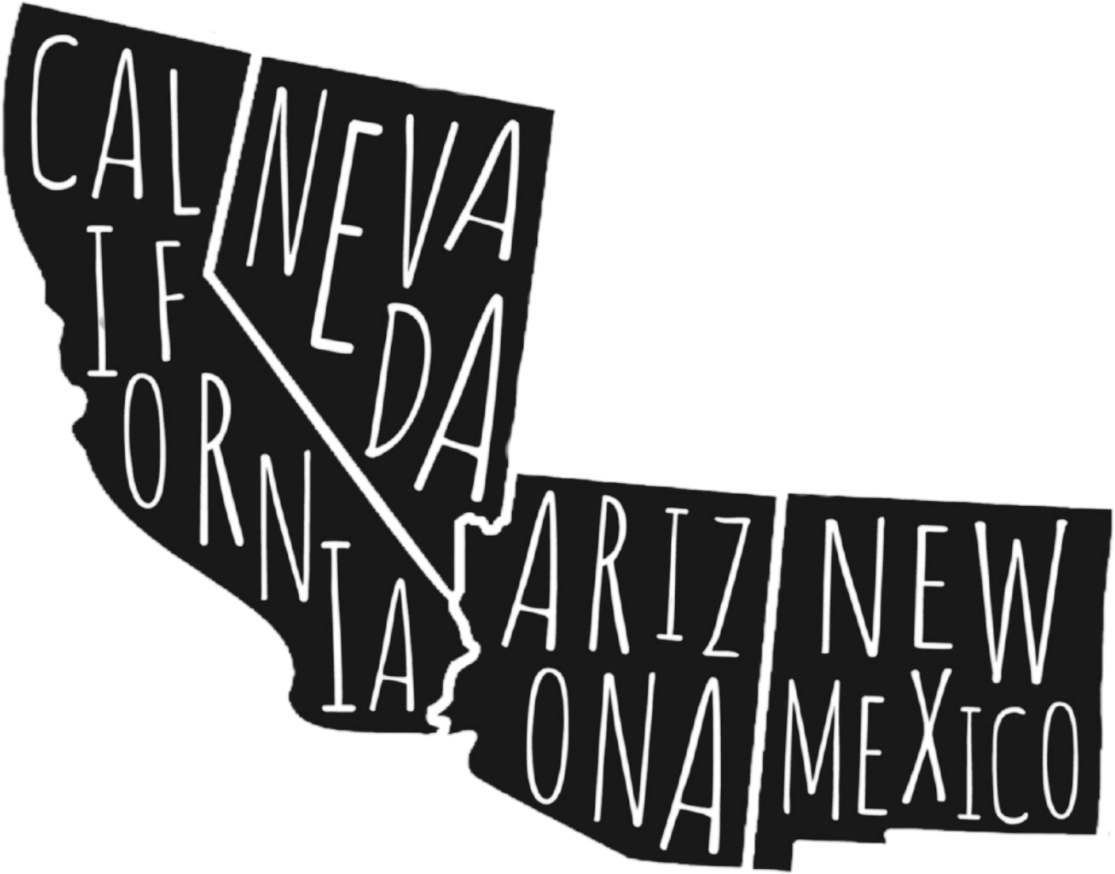
REGION OR WEATHER TYPE
Southern states, much of California, the Southwest, and summer months in transitional or colder climates.
This kit is designed for dry, mild, or warm outdoor school days, when staying comfortable, protected, and cool is the priority. Most families rely on lightweight, breathable clothing that allows kids to move freely during long hours outside.
In warm conditions, sun exposure becomes an important factor, so look for UV-protective tops, lightweight long sleeves, and sun hats that provide coverage without trapping heat. Breathable bottoms and quick-drying fabrics help kids stay comfortable during active play. A light layer can still be useful for cooler mornings or shaded areas, but heavy insulation and full waterproof gear aren’t typically needed for this kit.
Even in transitional or colder climates, this checklist is often useful during the summer months. While children may rely on colder-weather kits for much of the year, these warm-weather pieces help support safe sun exposure, heat management, and comfort during warmer days. Refer to these tips alongside your cold-weather gear to keep kids comfortable and protected throughout the summer.
WHAT YOU'LL NEED
Kids are active outdoors for long stretches and need breathable, sun-protective gear.
- Rain Mittens
- Lightweight, breathable tops (short- or long-sleeve; consider UV-protective fabrics for sun coverage)
- Breathable pants or shorts suitable for active outdoor play
- Sun-protective long-sleeve top (UPF) for extended sun exposure
- Sun hat (wide-brim or legionnaire style preferred for better coverage)
- Light outer layer for cooler mornings or shaded areas (fleece or lightweight mid-layer)
- Thin wool or moisture-wicking socks
- Comfortable outdoor shoes or lightweight boots appropriate for dry conditions
- Lightweight, breathable rain or wind shell jacket
- Lightweight rain or shell pants
- Breathable rain boots
Alaska Gear Checklist
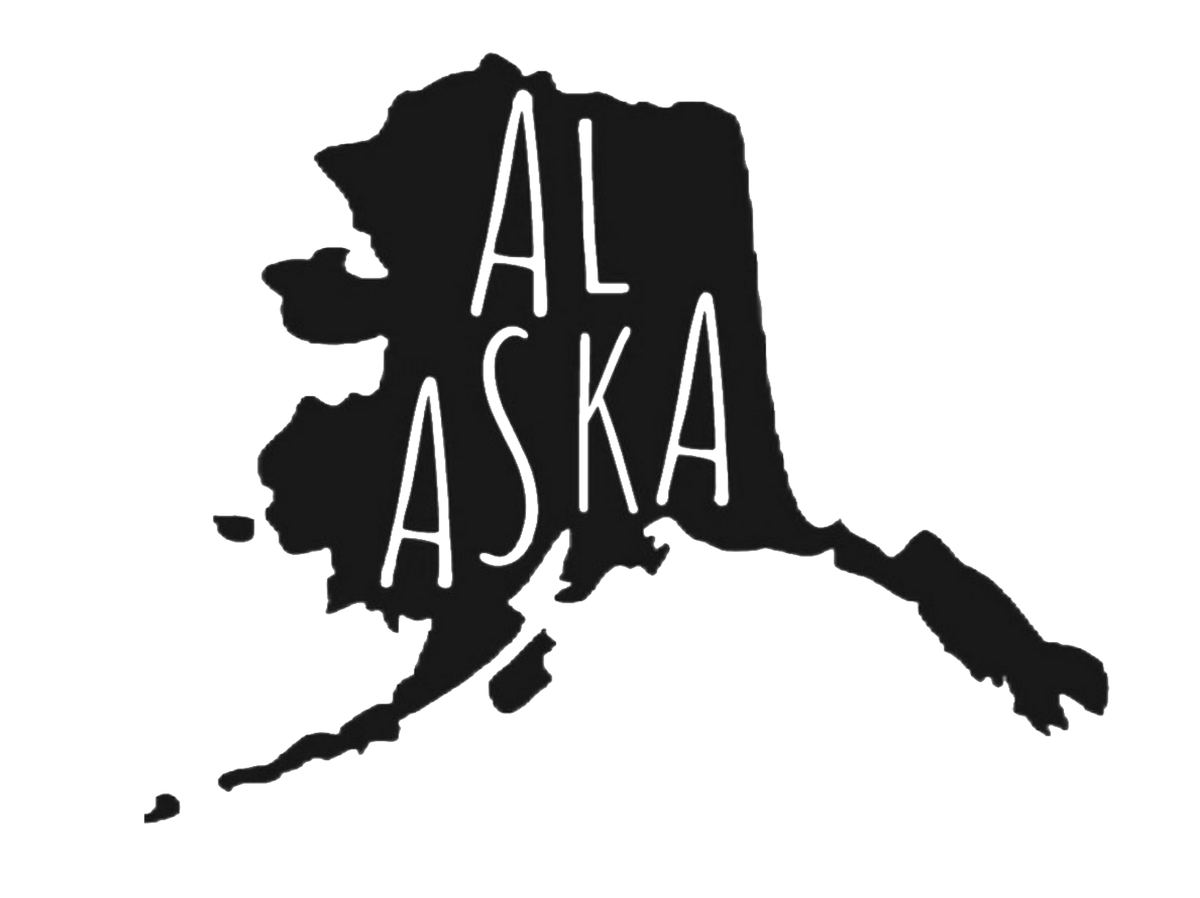
REGION OR WEATHER TYPE
Alaska, from wet, windy coastal regions to the deep cold of the Interior and Far North. Gear needs to handle rain, wet snow, slush, wind, and extreme cold.
Rather than switching complete kits every season, Alaska families build a flexible outdoor system and rotate layers based on the day’s weather, region, and activity level. The right combination helps kids stay warm, dry, and comfortable outside without buying more gear than they truly need.
- Rain gear is essential across much of Alaska. Southeast and Southwest are often wet, windy, and cool, while Southcentral also sees wet snow and slush. Choose waterproof rain layers with room for warmth underneath; breathable shells can help on active days.
- Cold-weather gear should match the region. Insulated, windproof outerwear is important statewide, while the Interior and Far North need warmer insulation, insulated boots, and full protection for hands, feet, face, and neck.
- Layers make the system work. Use wool or technical base layers, fleece or wool mid layers, and waterproof outer layers so warmth can be added or removed as conditions change. Avoid cotton.
- Wind and wetness matter as much as temperature. Waterproof mittens, a warm hat or balaclava, neck coverage, and dry backup socks help keep kids comfortable on long days outside.
WHAT YOU'LL NEED
Snow stays on the ground and kids need real insulation every day
- Rain pants/bib (consider Shell pants as an alternative – more durable and breathable)
- Rain Jacket (consider a Shell jacket as an alternative – more durable and breathable)
- Rain mittens (or shell mittens)
- Rain Hat (optional if jacket has a hood, but visibility is better w/ a hat vs. a hood for children)
- Insulated waterproof snow jacket
- Insulated waterproof snow pant
- Prefer a one piece option? Select an insulated waterproof snowsuit
- Insulated waterproof snow mittens or gloves
- Wool socks and/or tights
- Appropriate hat – one for fall/spring and warmer one for winter
- Neckwarmer
- Balaclava
- Base layers – wool or high-tech poly or function fleece – never cotton
- Mid layer jacket
- Mid layer pant
- Rain boots
- Insulated waterproof snow boots
MORE GEAR CHECKLISTS
Want the Full Checklist in One Place?
If you’re just getting started or want an easy reference to come back to, download our Kids Outdoor Gear Quick Start Guide. It includes the essential gear, smart layering tips, and climate-based recommendations to help you keep your kiddo comfortable, dry, and outside longer—without overthinking it.
Is Your Region Not Listed?
If you live in a “hybrid state”, one where it snows once a year but not much accumulation, high humidity and heat during the summer, usually above freezing or just at freezing temperatures in the winter, you will want to consider a gear list that has items from both the South Central checklist and the Northeast checklist depending on how cold your temperatures get.
Planning for Summer Camp?
Getting your kiddo ready for summer camp can feel overwhelming—there’s a lot to remember and it’s easy to overpack or miss key items. This quick checklist covers the essentials, from clothing to daily must-haves, so you can feel confident they’re prepared, comfortable, and ready for every outdoor adventure.
Utilize our outdoor school directory to find a program!
ODSS maintains the largest directory of children's outdoor schools in North America.
The ODSS Gear Favorites
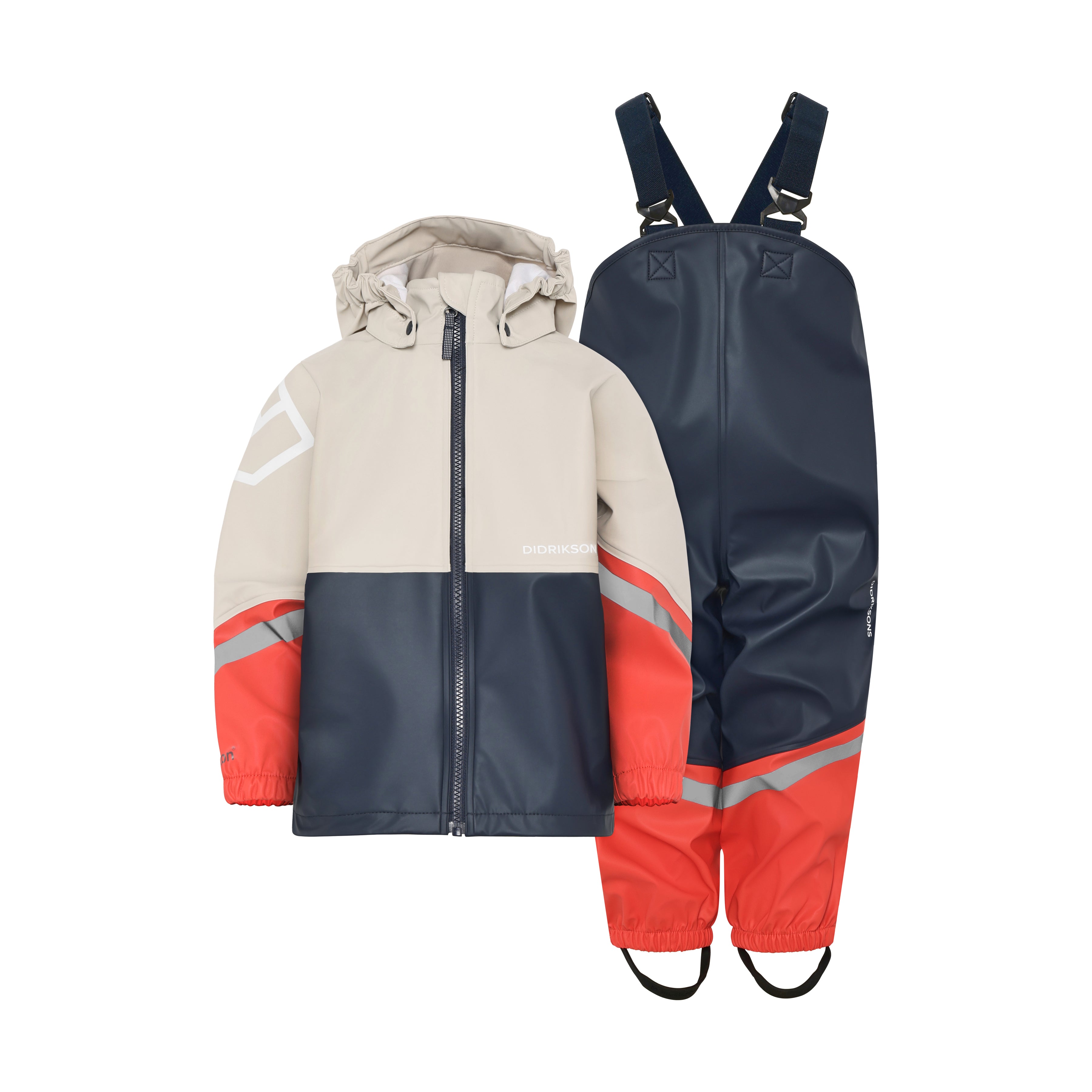

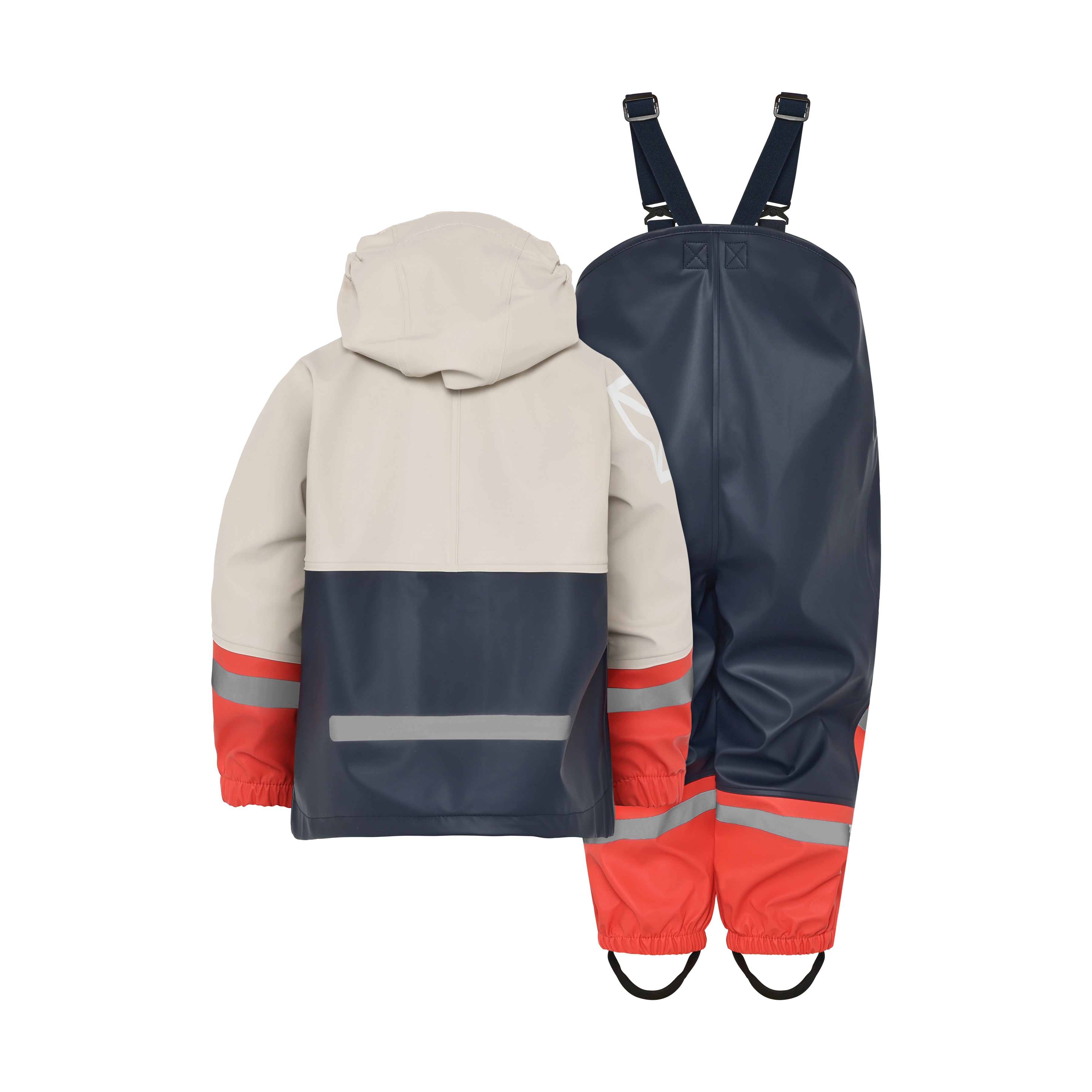
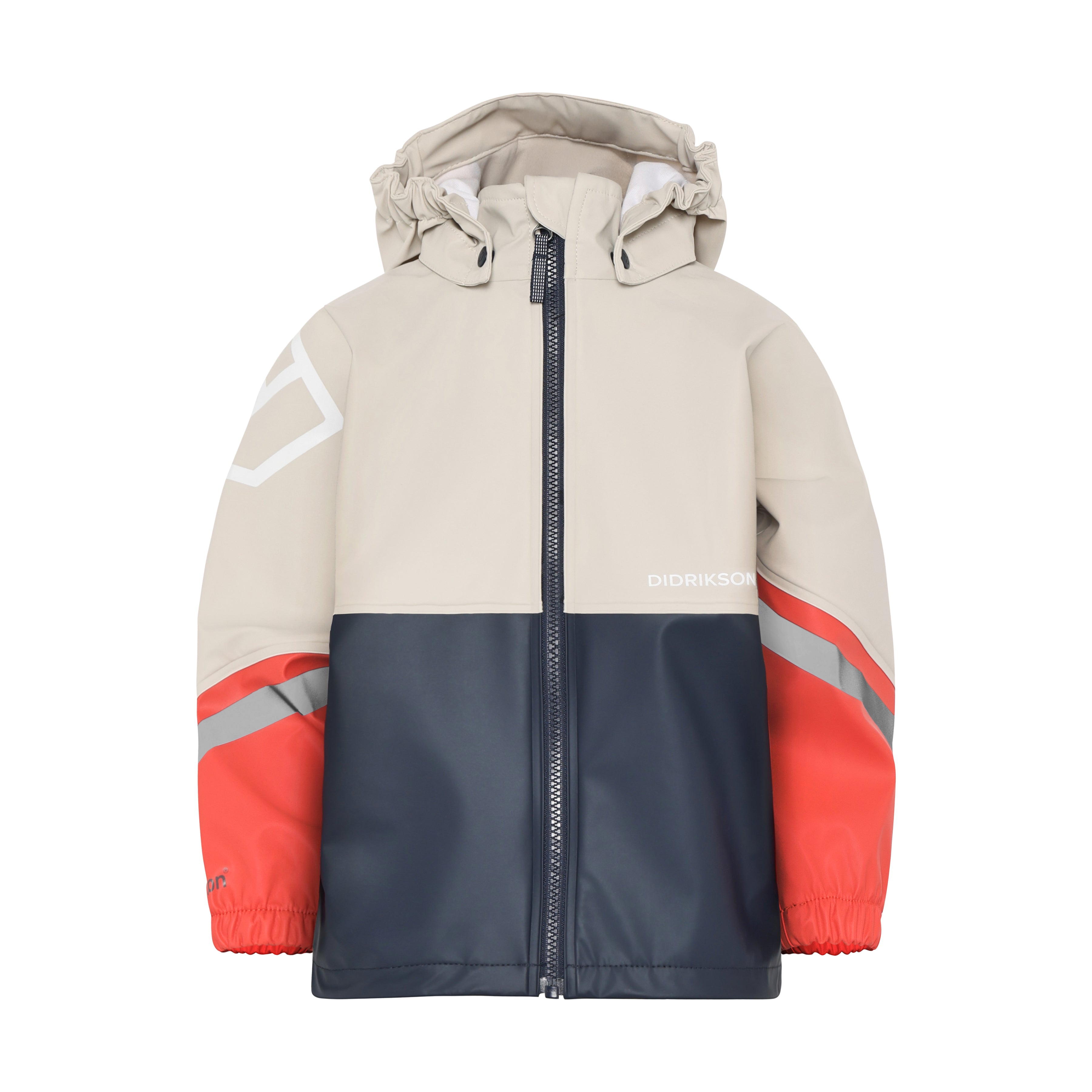


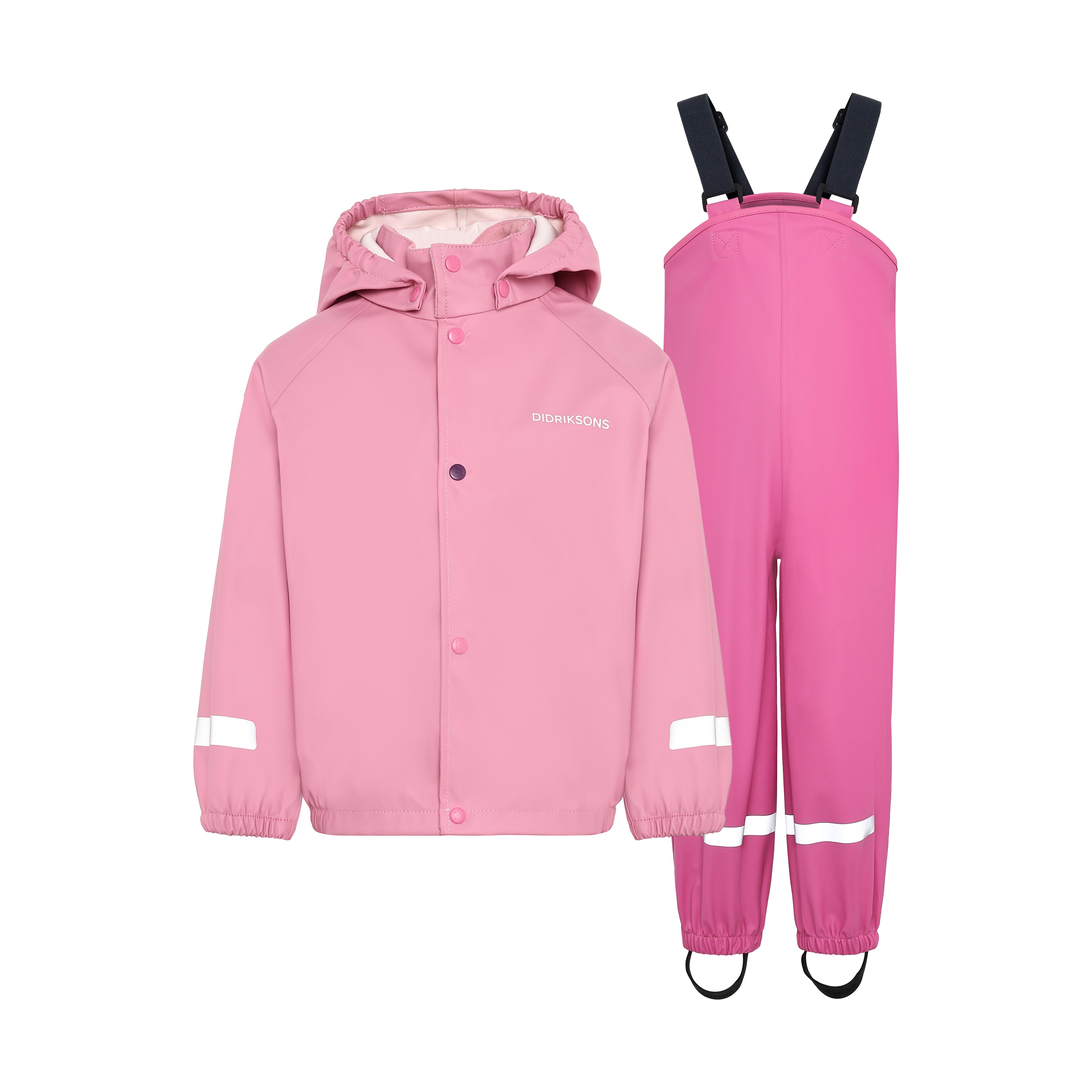

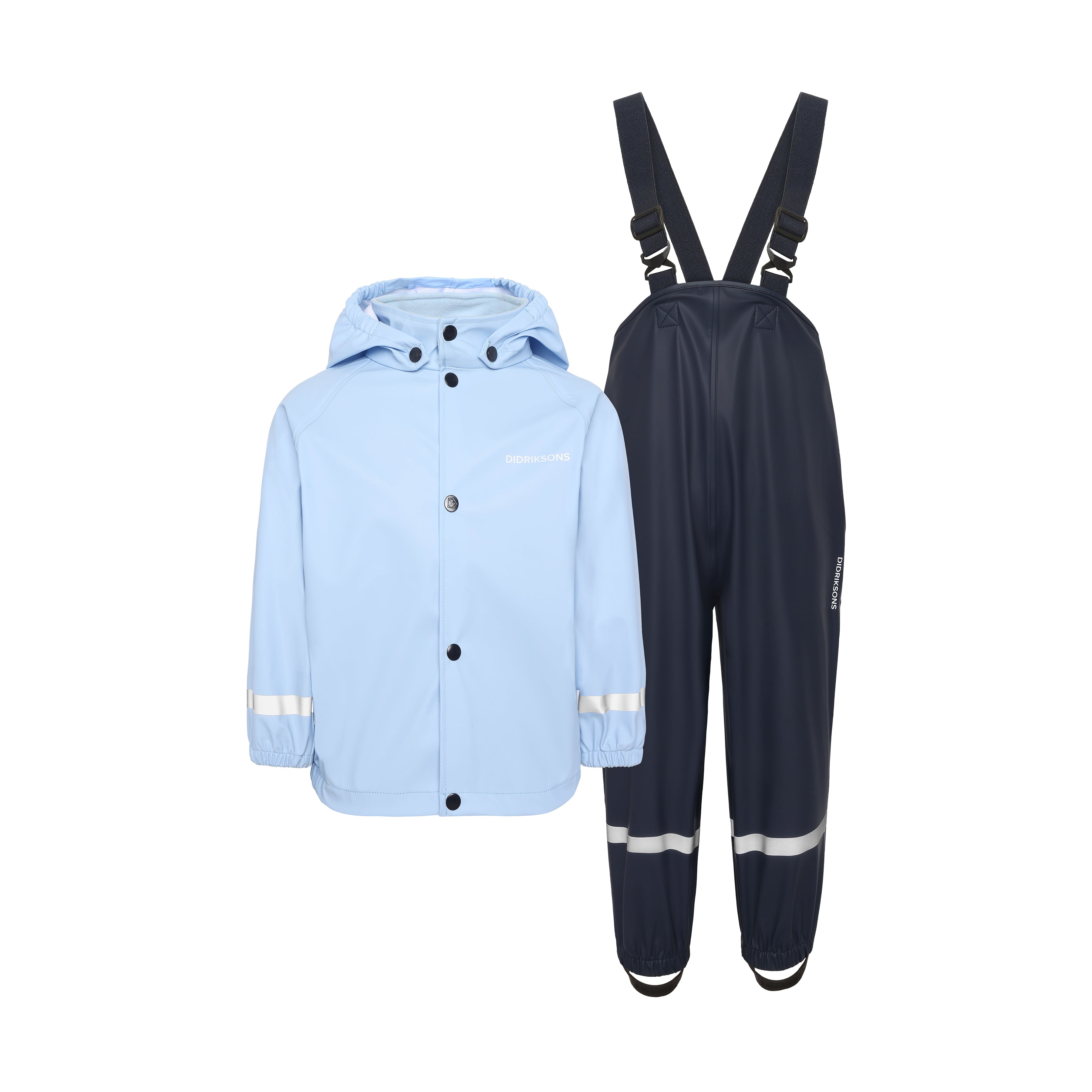


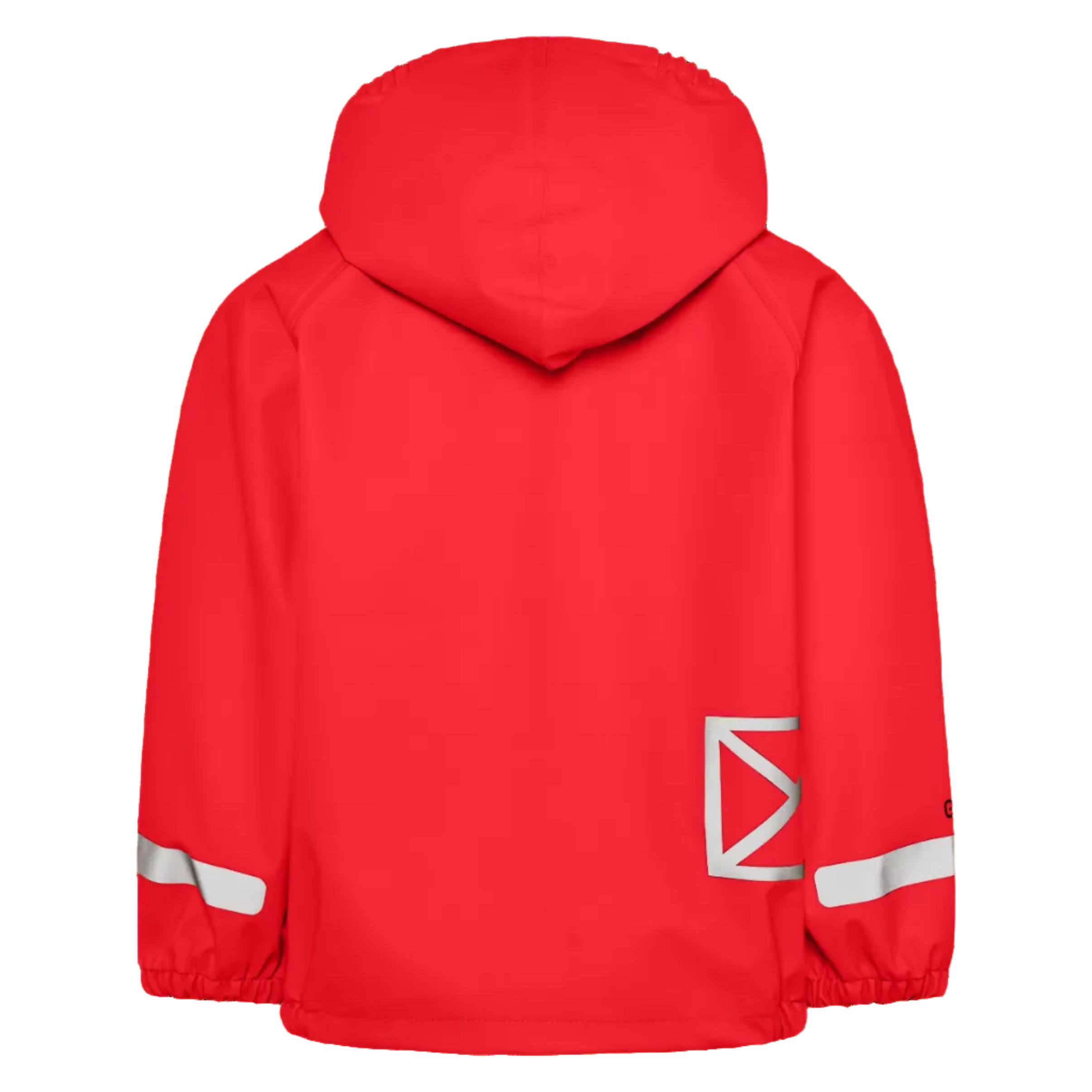
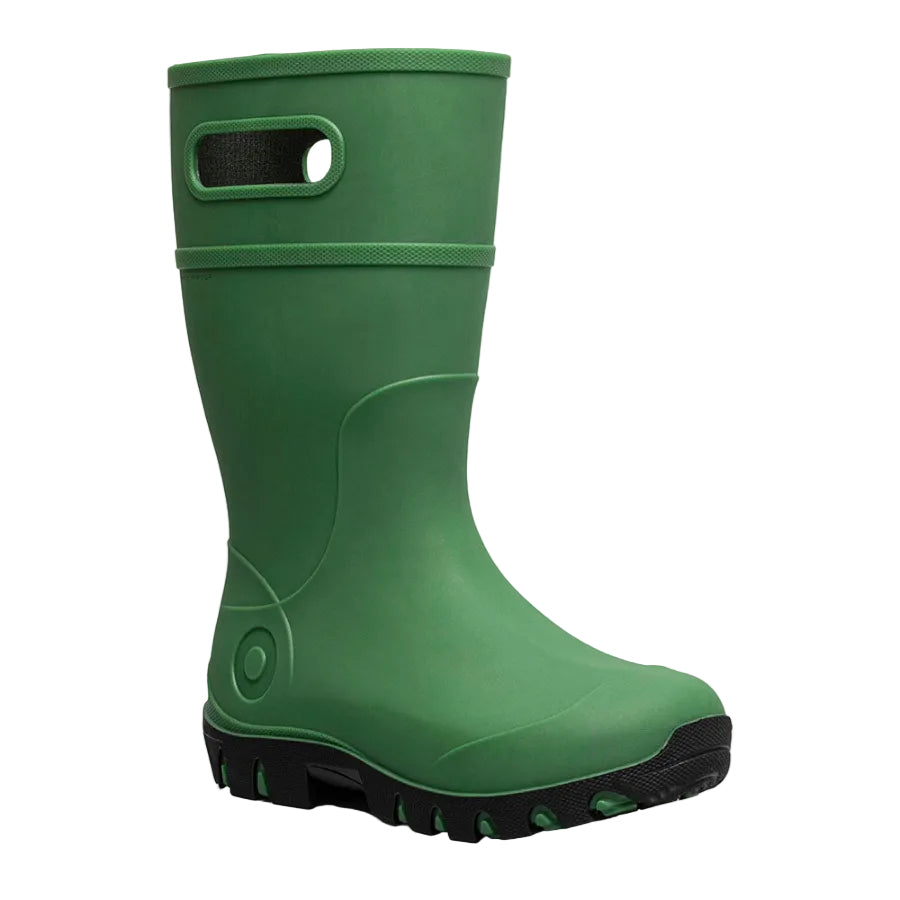

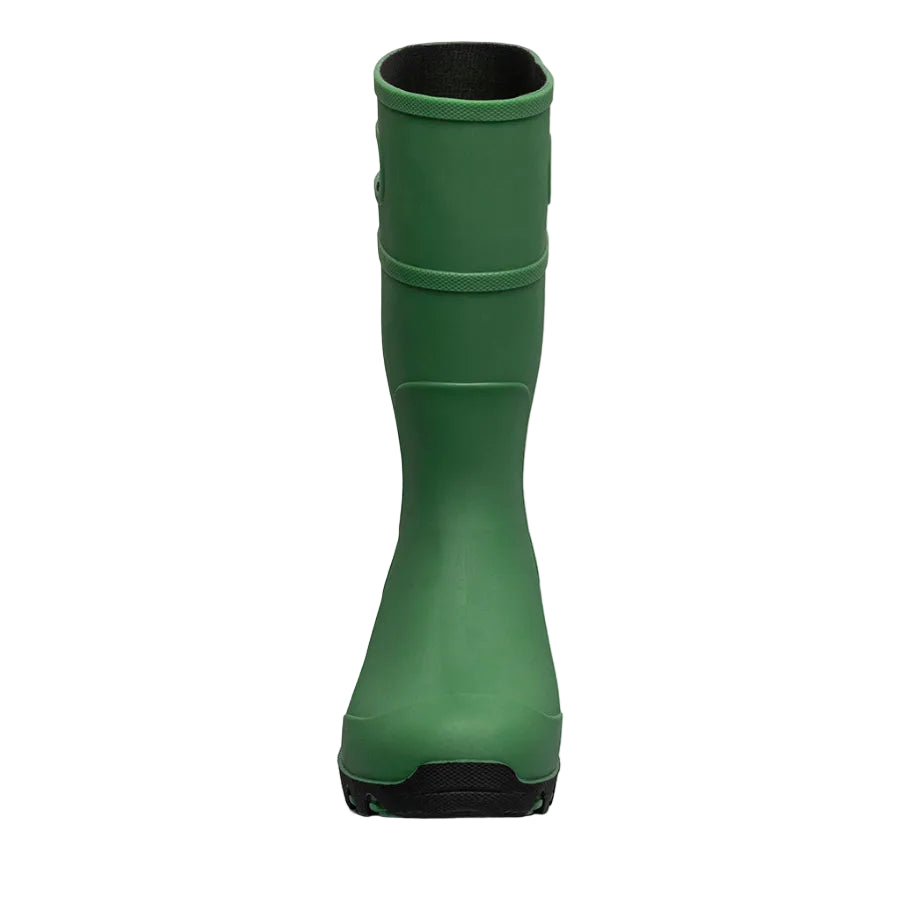
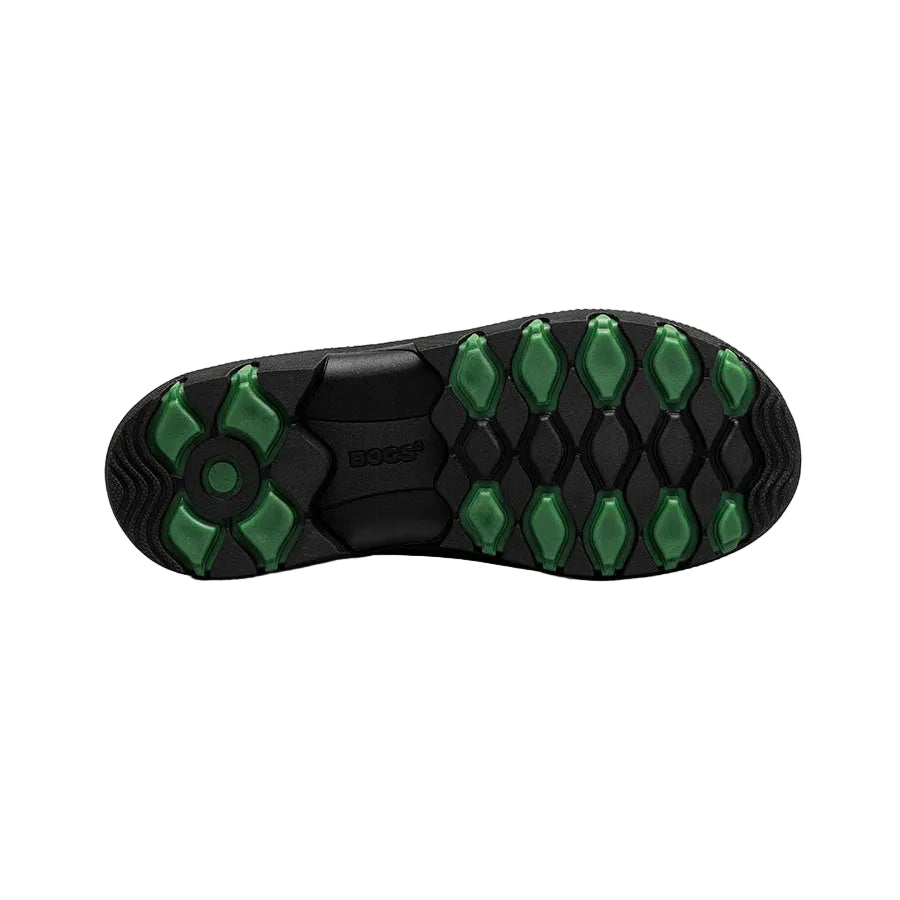
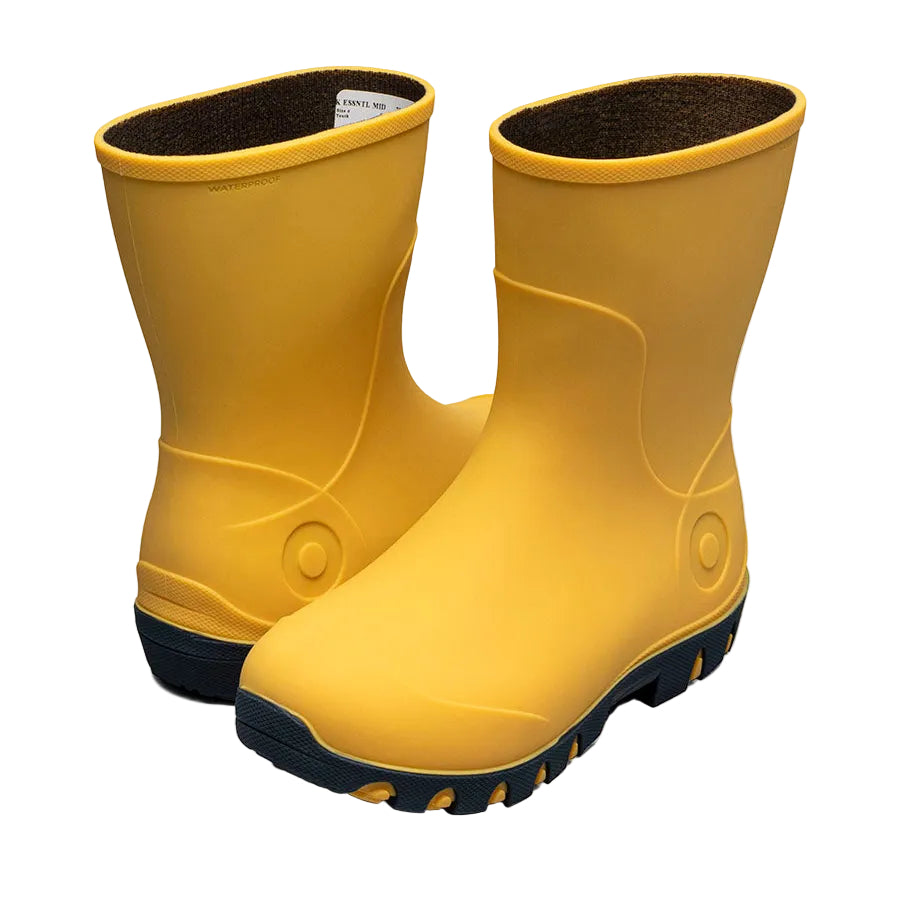



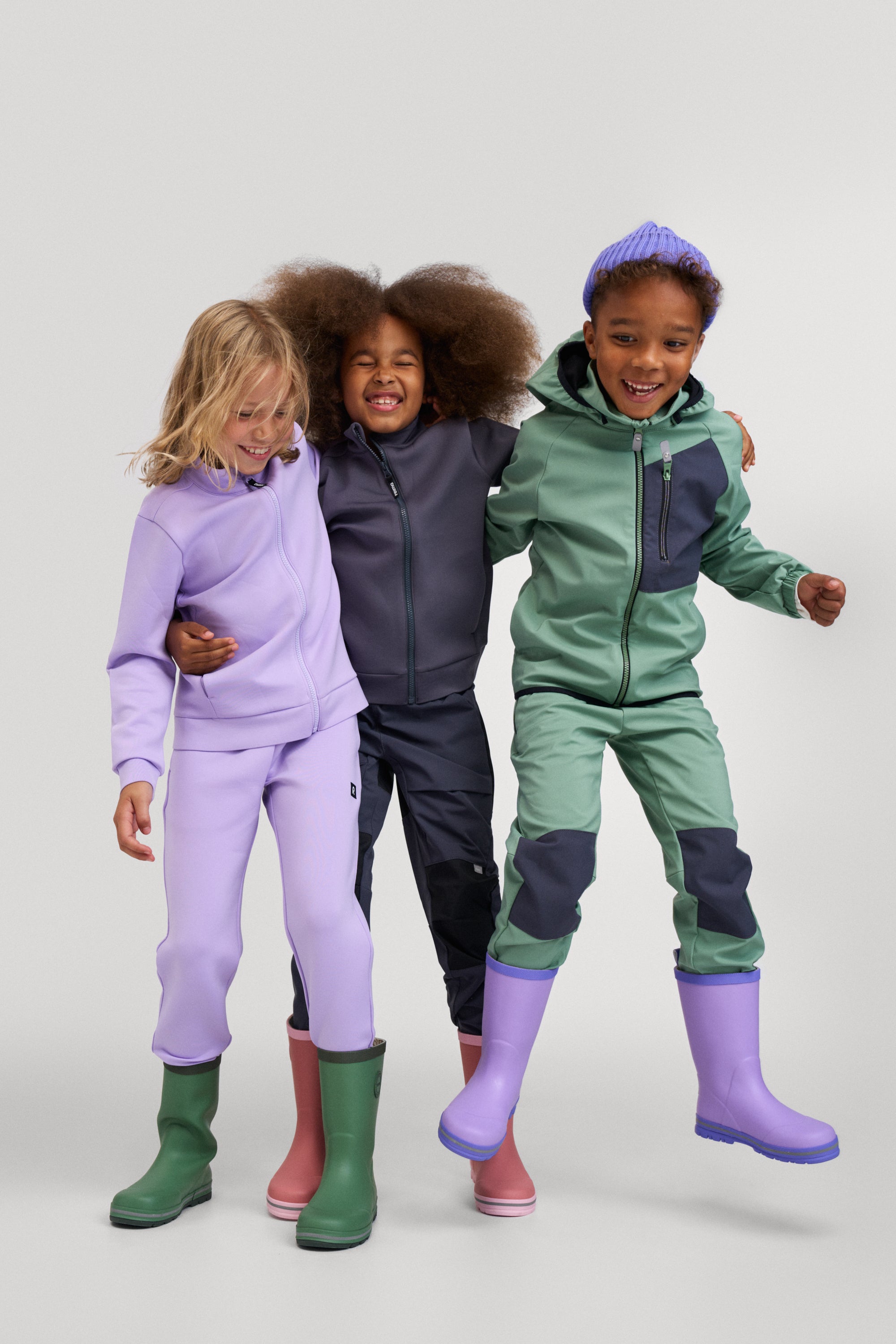
Layering Guide Shop
Layering made easy. Tap the button to browse our curated shops and quickly find the right base layers, mid layers, and outerwear to keep your child warm, dry, and outside longer.
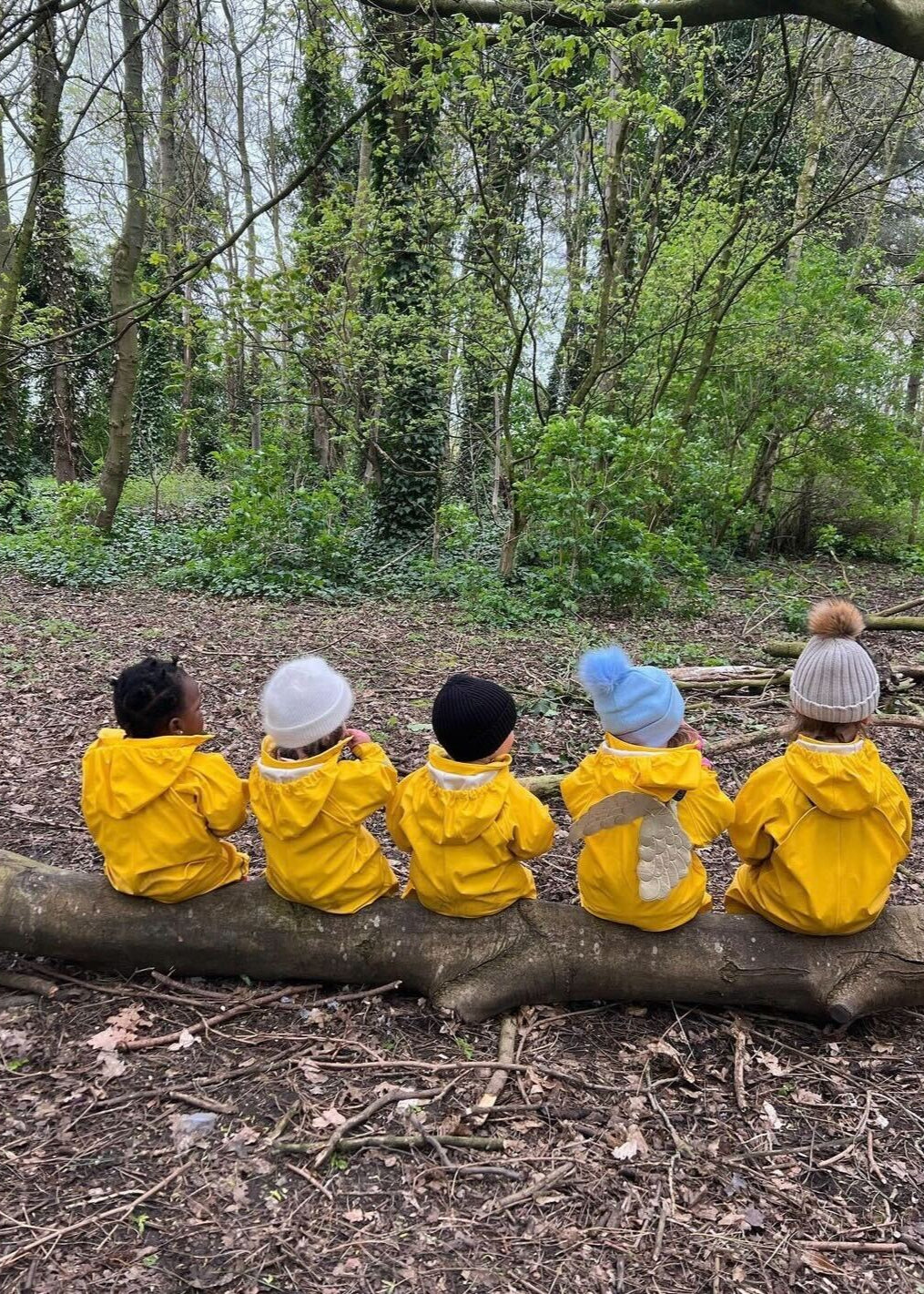
Performance You Can Count On
These are the pieces we see succeed again and again — across ages, schools, and climates. Reliable, durable, and tested where it matters: outside.
FOUNDED BY WOMEN. BUILT FOR ADVENTURE.
ODSS was started by women- mother's who know that time outside builds resilient, confident kids. Outdoor gear for schools turned into a mission:
Helping families get outside more.

Peace of Mind

Outdoor School Approved

Family Approved too!

No Bad Weather