


Gear care that keeps kids warm, dry, and outside longer.
Outdoor gear works best when it’s cared for but that doesn’t mean it needs to be complicated. Whether you’re getting one child ready for daily recess or supporting a whole outdoor school program, the basics are the same: clean gear performs better, lasts longer, and keeps kids more comfortable in real weather.
We’ve tested outdoor clothing in the conditions that matter most - rain that soaks through lunch, mud that never fully dries, snow that clings all day. This guide focuses on what actually makes a difference, and skips the steps that don’t.
You don’t need to be perfect. You just need to know the few things that matter.
Why Gear Maintenance Matters
With simple, regular care, the same gear:
- Keeps kids warmer and drier
- Lasts longer through hard use
- Reduces replacements and mid-season stress
- Stretches school and family budgets further
Gear Care Mistakes
We see these often:
- Not all waterproof gear should be washed.
- Leaks don’t always mean failure.
- More detergent can do more harm than good.
- How you dry gear matters.
The Few Things That Actually Matter
Simple steps. Real impact.
- Wash only when it’s needed.
- Use a proper gear wash.
- Dry the right way.
- Re-proof when water stops beading.
How to Help Kids’ Outerwear Last Longer
(Even with Daily Outdoor Play and Outdoor School Use)
Kids are hard on their gear and that’s a good thing. Muddy knees, scuffed seats, and well-worn mittens usually mean kids are doing exactly what they should be doing: playing outside.
When outerwear is worn often or daily, some wear is normal - even when the gear is high quality and well made. The good news is that most wear doesn’t mean the gear is done. With simple care, small repairs, and the right tools, you can extend the life of outerwear season after season. The steps below focus on what actually helps gear keep working longer - saving money, reducing waste, and keeping kids comfortable outside.
Daily Care
Before repairs are even needed, everyday care makes a big difference.
- Avoid frequent machine washing.
Over-washing can break down waterproof coatings and reduce durability.
- Skip high heat.
When possible, hang dry gear or use low heat to protect fabrics and seam tape.
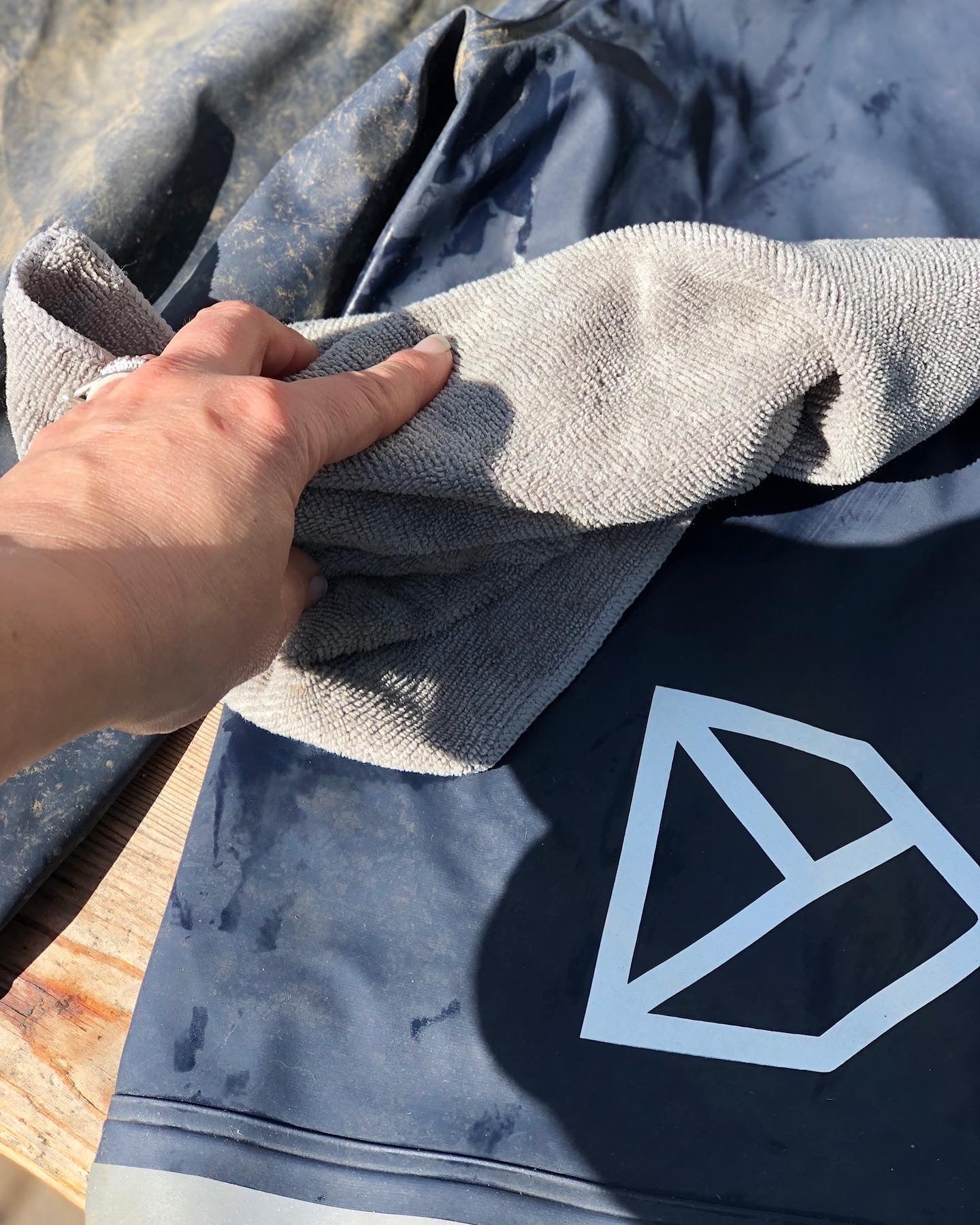
- Spot clean first.
Mud and surface dirt can often be wiped away with a damp cloth.
For quick cleanups between washes, a reusable sponge cloth designed for outerwear is often enough to keep gear in good condition.
Small Repairs
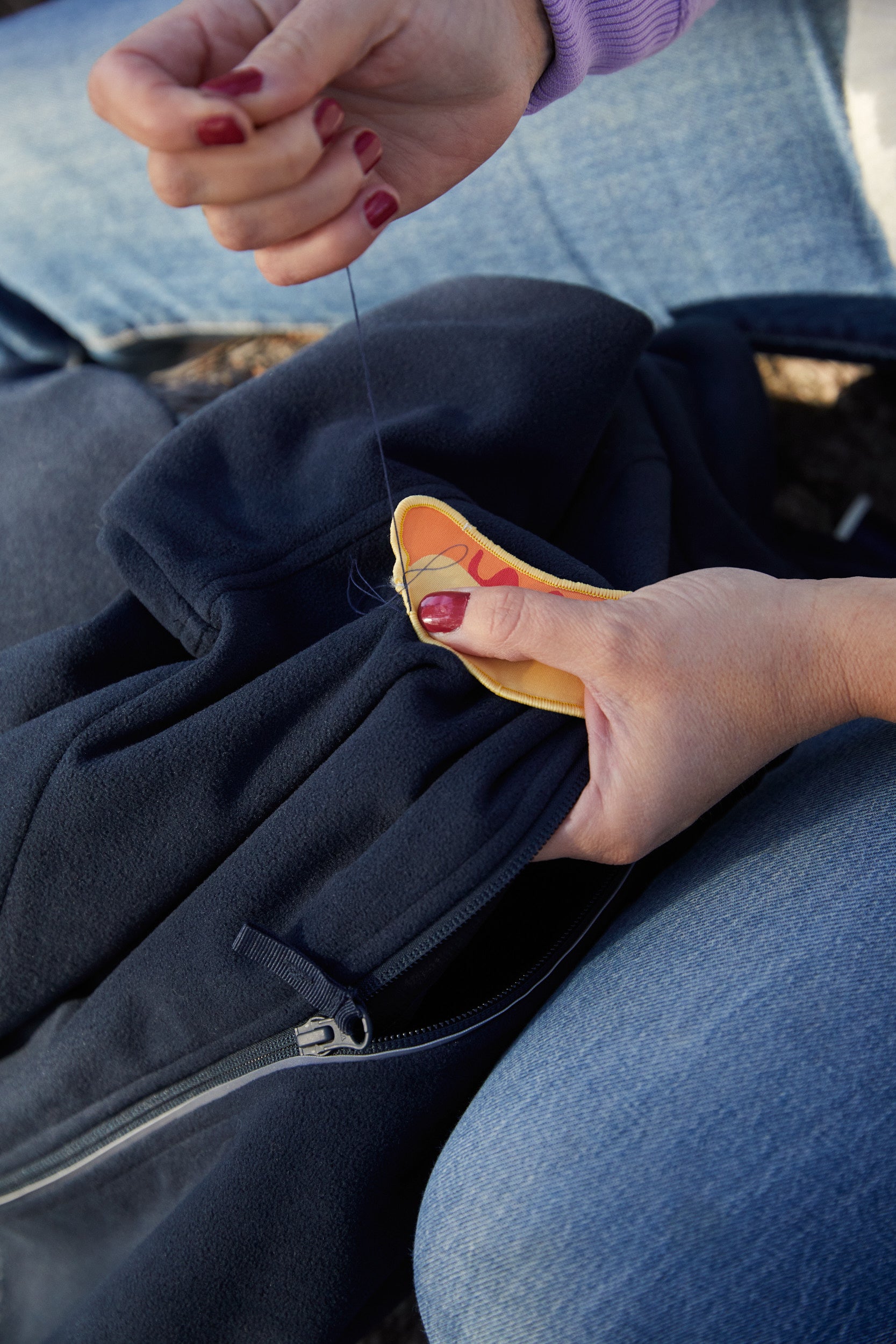
Small rips and holes are easiest to fix when they’re caught early. A tiny tear or puncture can grow quickly with daily wear - especially in pants and jackets that see constant movement.
Simple, purpose-made patches offer a long-lasting repair. At ODSS, we carry easy-to-use patches designed specifically for wool, fleece, and outer layers, so families and schools can extend the life of well-used gear with minimal effort.
Technical Washing
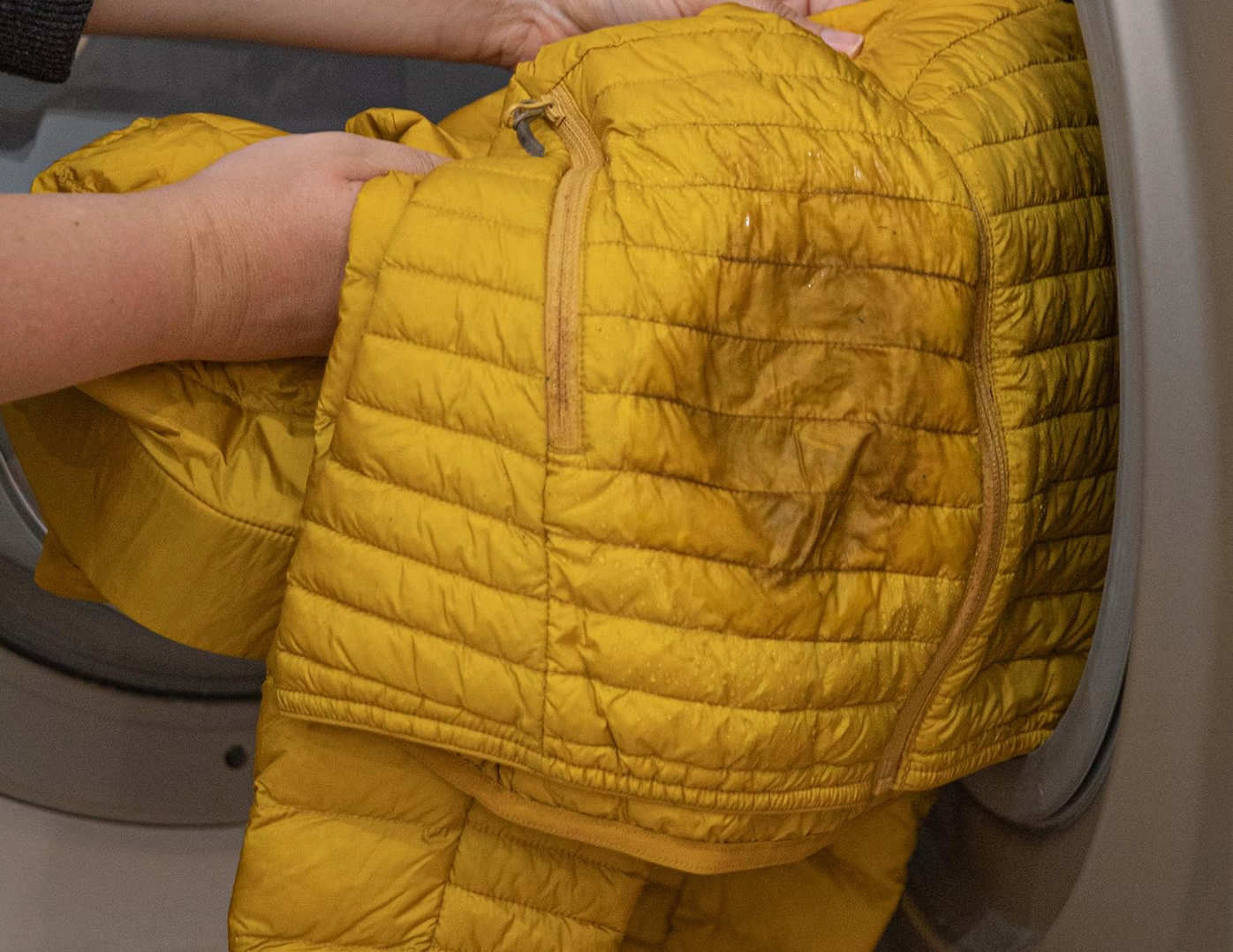
Over time, dirt, sweat, and body oils can build up in waterproof fabrics and reduce how well they perform. When rainwear or snow gear stops shedding water, a technical cleaner can help refresh it without breaking down waterproof coatings or breathability.
This type of wash is best used occasionally, not after every wear, and only when performance has clearly dropped. It can be done by hand or in a washing machine, following the garment’s care instructions.

Boot Strap Replacement
Boot straps often wear out before the rest of a rain or snow pant — especially with daily use. Replacing stretched or broken straps helps keep pants in place, blocks water and snow at the ankles, and extends the life of otherwise perfectly good gear.
Replacement straps are easy to install at home and are designed to stay securely under boots or shoes, even during active outdoor play.
Re(PLAY) It Forward
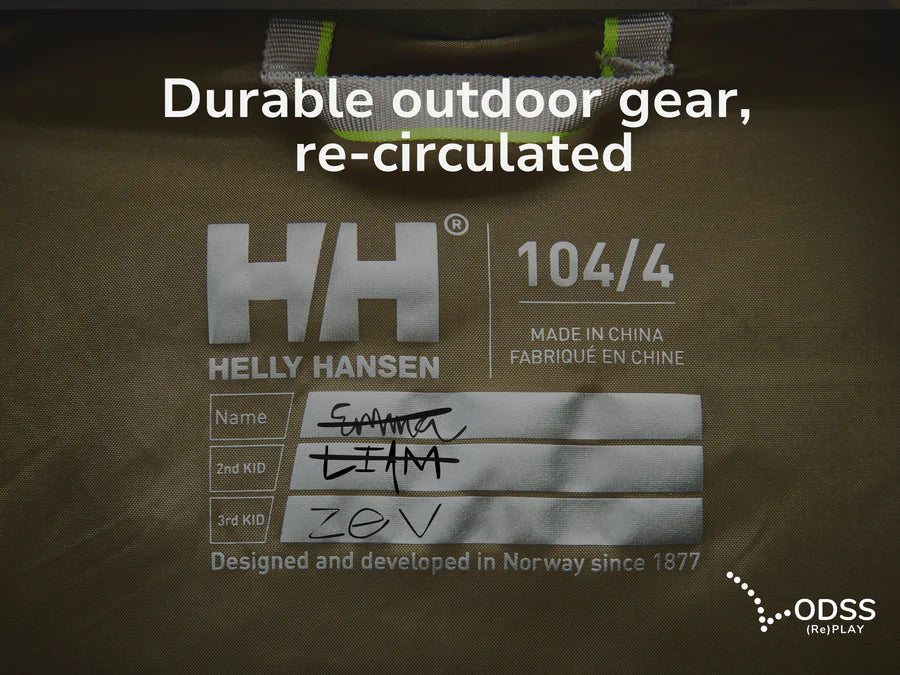
When kids outgrow their outerwear but it’s still in good, usable condition, we encourage families to pass it on through Re(PLAY). Many pieces still have plenty of outdoor days left and are ready to be worn, tested, and enjoyed by another child.
Re(PLAY) keeps quality gear in use longer and helps reduce unnecessary waste. Instead of sitting unused in a closet, outgrown outerwear gets a second life - keeping kids warm, dry, and comfortable outside.
Well-used gear tells a story of muddy play, fresh air, and real days spent outdoors. Passing it on lets that story continue, season after season, child after child.