

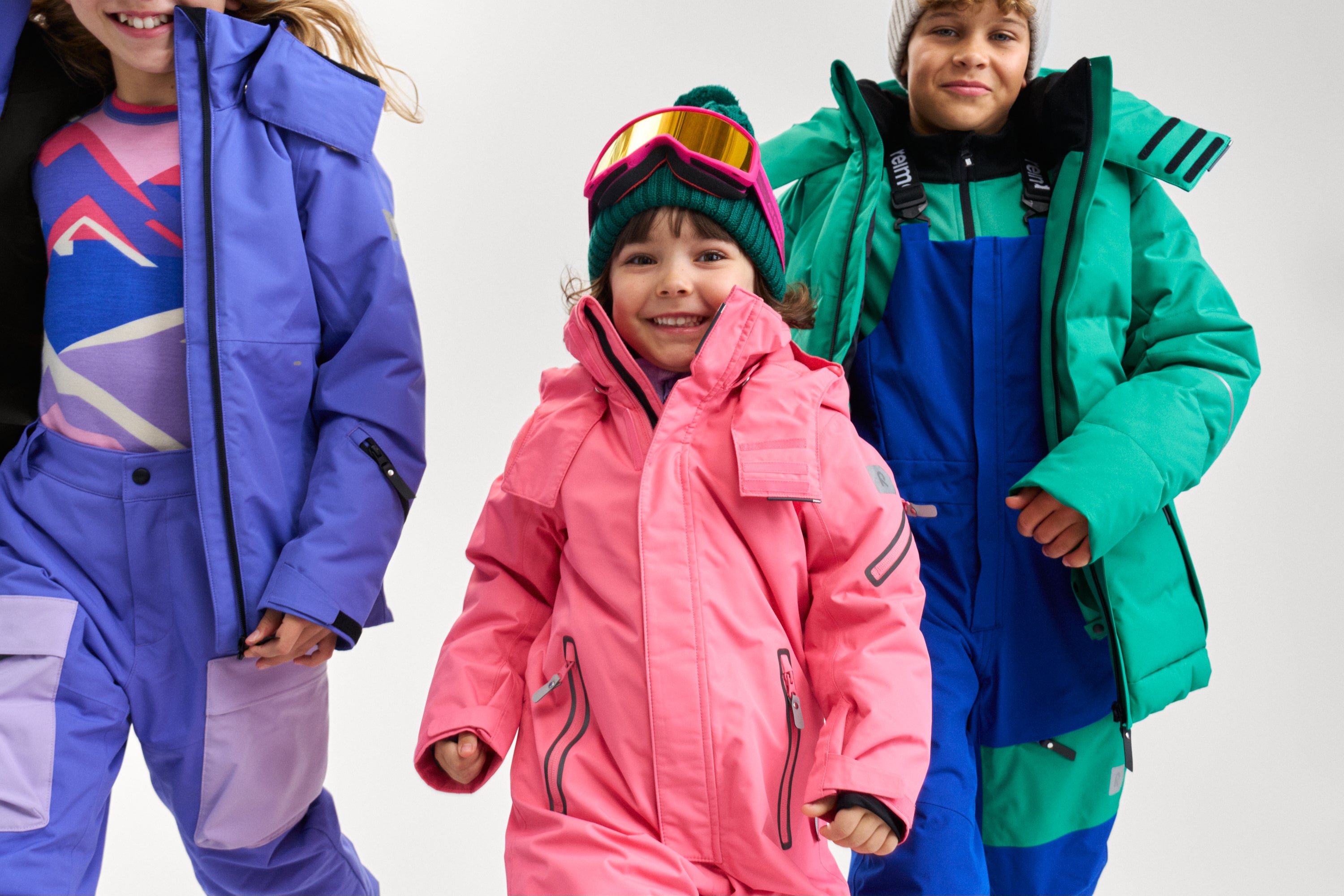
Not sure which size to choose? You’re not alone.
This guide walks you through kids’ sizing, fit tips, and common questions so you can order with confidence.
Find the right size
The easiest way to choose the right size for clothing is by measuring your child’s height. Kids grow fast, so using a recent measurement makes a big difference. Clothing sizes are based on height in centimetres, which gives you the most accurate fit. We include age ranges as a helpful reference, but height is always the best guide whenever you’re able to measure.
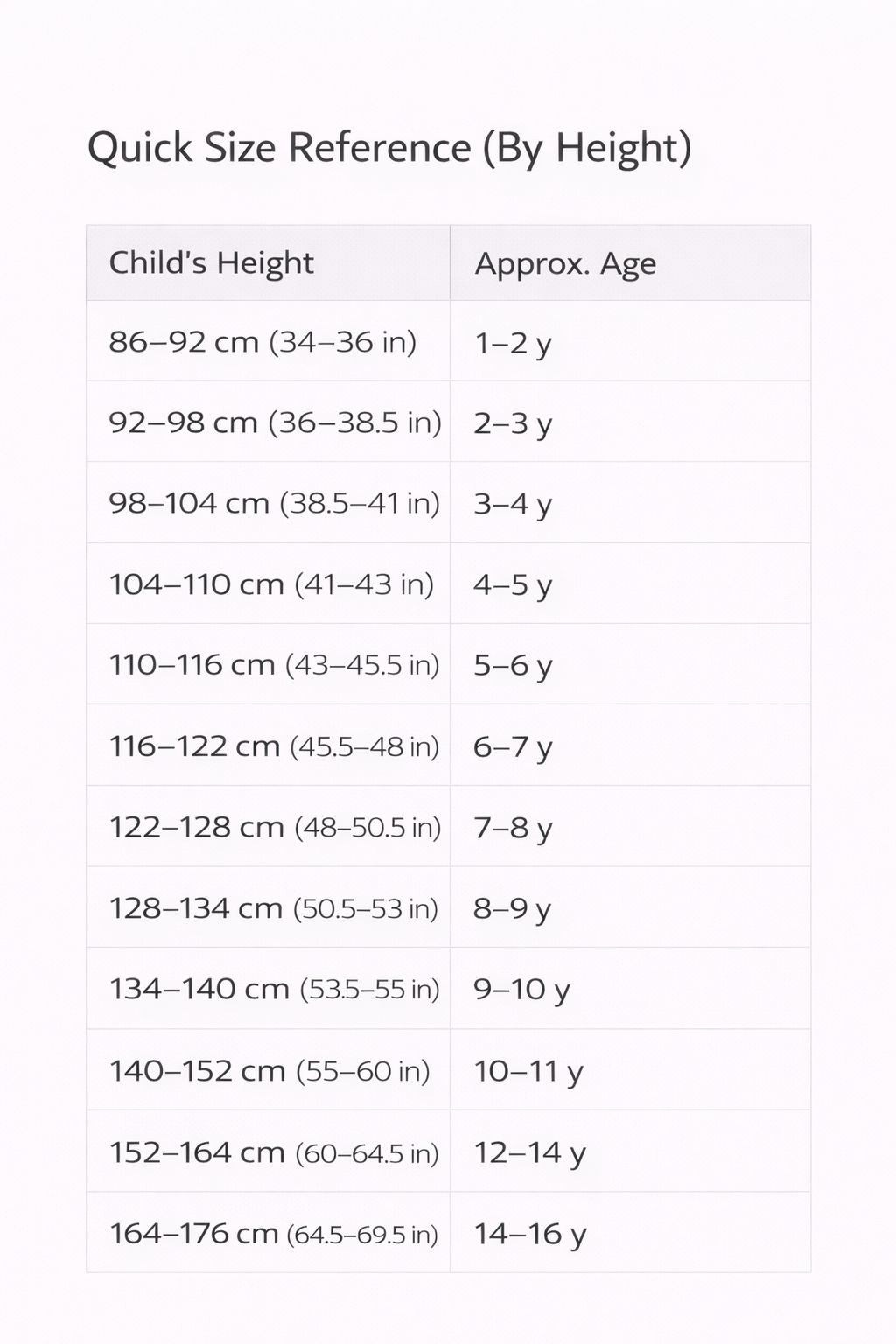
Why sizes are shown by age and height (cm)
Kids’ clothing sizes are based on height in centimeters, because height is the most accurate way to get the right fit. Children of the same age can be very different heights, which is why age alone isn’t always reliable.
Outerwear is designed to fit based on how tall your child is - sleeve length, leg length, and overall coverage all depend on height. That’s why using your child’s height will give you a much better fit than shopping by age alone.
We include age as a helpful reference since many parents shop by age first, but the age shown simply matches the average height range for that stage. For the best fit, always choose based on height whenever possible.
Best practice:
1. Measure your child’s height
2. Find the matching height range in the chart
3. Use this as your clothing size
FAQs
Should I buy my item large so they get more wear?
We don’t recommend sizing up. Outdoor clothing is designed to fit by height, and choosing the correct size for your child’s current height gives the best comfort, movement, and weather protection.
Outerwear is already designed to allow room for a base layer and mid layer when sized correctly. Going too large can cause sleeves and legs to be too long, restrict movement, and reduce warmth and waterproof performance.
For the best fit, always choose the size that matches your child’s current height in centimeters.
What size do I choose?
If your child is 104 cm then the best fitting size will be 104 cm.
How should my item fit?
Jackets
- Ask your child to lift their arms straight up. The cuffs should still cover their wrists.
- At the lower back of the jacket, you should be able to grasp a generous amount of fabric. This shows there’s room for a base layer and mid layer without the jacket being too big.
Trousers & Overalls
- Ask your child to take a few big steps. They should move easily with no pulling or tightness.
- The reflectors on the legs should be clearly visible.
- Your child should not step on the ends of the trousers when walking.
- Ask your child to kneel down. The trouser legs should stay level with the top of their feet, without pulling tight at the hips.
- For overalls, gently tug at the shoulders. It should not feel tight at the crotch.
- At the back of the trousers, you should be able to grasp a generous amount of fabric, showing there’s room for a base layer and mid layer.
What if my child is between sizes, which size should I choose?
If your child is right on the upper end of a height range or growing quickly, choosing the next size up can make sense as long as the item still fits well when you test it using our fit guidelines.
The goal is a fit that works now:
- Sleeves and legs aren’t too long
- Your child can move freely
- The garment fits comfortably with layers, without excess bulk
When in doubt, measuring height and checking fit is more reliable than choosing by age.
How to choose the right shoe size
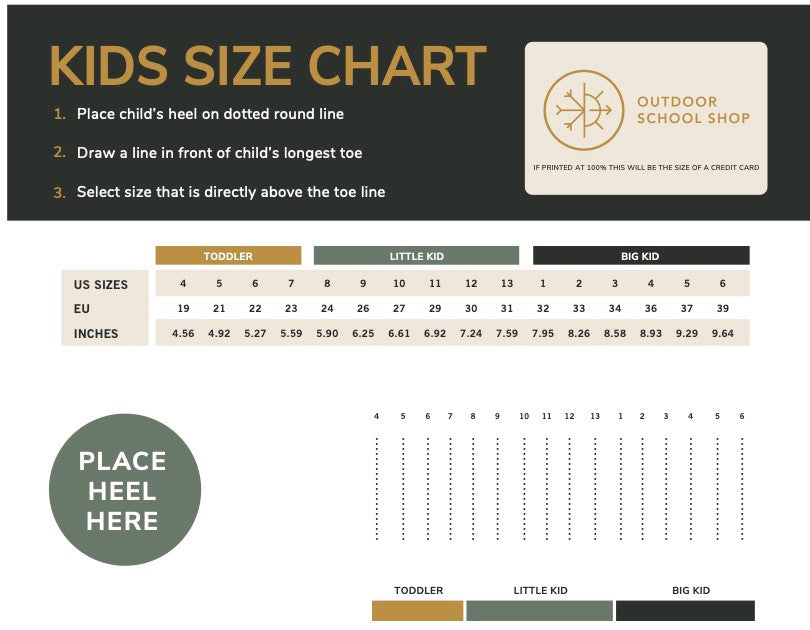
How to choose the right shoe size
Children’s feet grow at very different rates, so shoe sizes are not age-based. For the best fit, measure your child’s foot and choose the correct size using the chart above. Age is not a reliable indicator for shoe sizing.
The best way to choose the right shoe size is by measuring your child’s foot length. Kids’ feet grow quickly, and shoe sizes can vary by brand, so measuring gives you the most accurate starting point.
Always measure both feet and use the longer foot when choosing a size.
How to measure your child’s foot at home
1. Have your child stand with their heel against a wall
2. Place a piece of paper under their foot
3. Mark the tip of the longest toe
4. Measure the distance from the wall to the mark
This measurement is your child’s foot length - use this in conjunction to the shoe size chart OR Download our free printable tool
FAQs
How do I know what size boot my child needs?
The easiest place to start is with the shoe size your child wears right now. If they already have shoes or boots that fit well, use that size as your baseline and then check the brand’s size chart to confirm.
Because boots can fit differently than everyday shoes, we always recommend:
- Measuring your child’s foot when possible
- Using the EU size for the most consistent fit
- Making sure there’s room for a warm sock, but no extra space that causes slipping
Should boots fit differently than regular shoes?
Yes, slightly. Boots should feel secure and supportive, with enough room for a thicker sock, but they should not be loose or oversized.
A good boot fit means:
- Toes can wiggle freely
- The heel feels secure when walking
- The boot feels comfortable right away — not something your child has to “grow into”
Why do shoe sizes go from 6–13 and then start over at 1?
This is a very common question - and you’re not alone in finding it confusing.
Kids’ shoe sizes work in three stages:
- Baby/Toddler sizes: 6–13
- Kids sizes: start over at 1 and run through size 6
- Adult sizes: start again after kids’ sizes
Even though the numbers reset, the shoes continue to get larger each step. That’s why using EU sizes or a size chart is often clearer than relying on US numbers alone.
What’s the difference between baby, toddler, and kids shoe sizes?
The difference is mainly in length and fit, not just age.
- Baby and toddler shoes (6–13) are designed for smaller, growing feet
- Kids sizes (1–6) are larger and shaped for more active walking and running
The size number may repeat, but the shoe itself is not the same size.
Should I size up in boots so they last longer?
We don’t recommend sizing up. Boots that are too large can cause slipping, discomfort, and cold feet.
Boots are designed to fit correctly when chosen by size, with enough room for a sock. For warmth and comfort, it’s better to choose the right size now rather than buying extra room.
What if my child is between shoe sizes?
If your child is between sizes, check how much space they have in their current shoes and how quickly their feet are growing. In many cases, choosing the next size up works - as long as the boot still feels secure and comfortable when walking.
If you’re unsure, we’re always happy to help you choose.
Still unsure about sizing?
If you’re stuck, tell us:
- Your child’s current shoe size
- The type of boot you’re looking at
- Whether you plan to wear thicker socks
We’ll help you find the best fit so your child stays comfortable and supported. Email us at theteam@outdoorschoolshop.com
Boots and Shoes
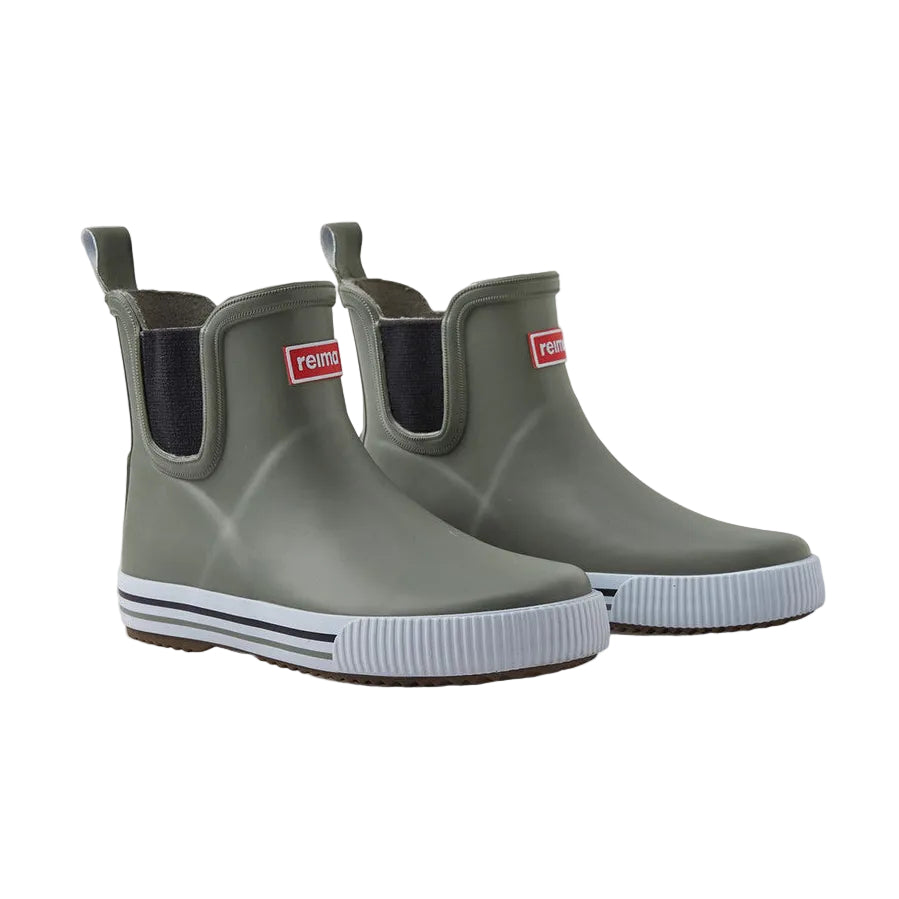
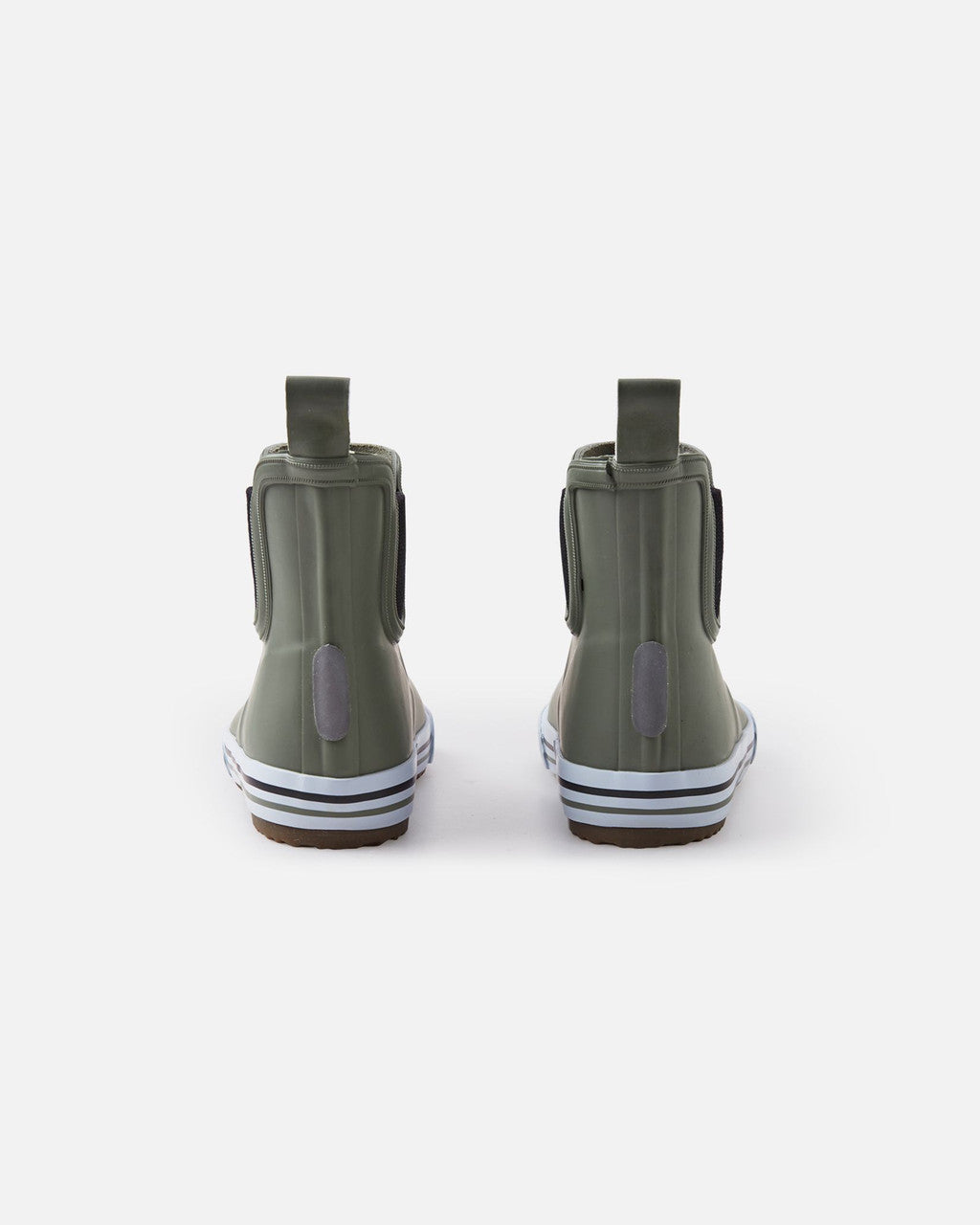
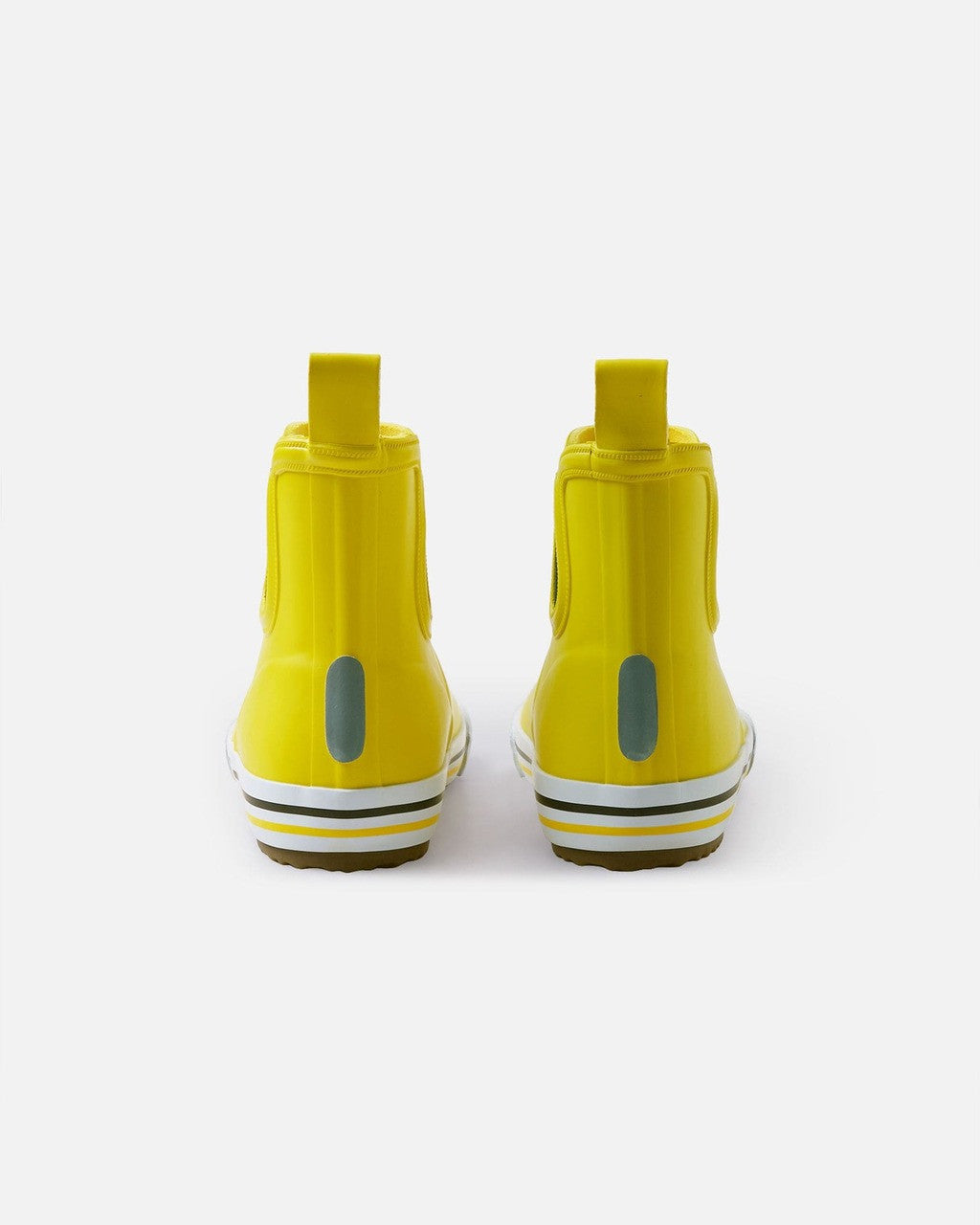
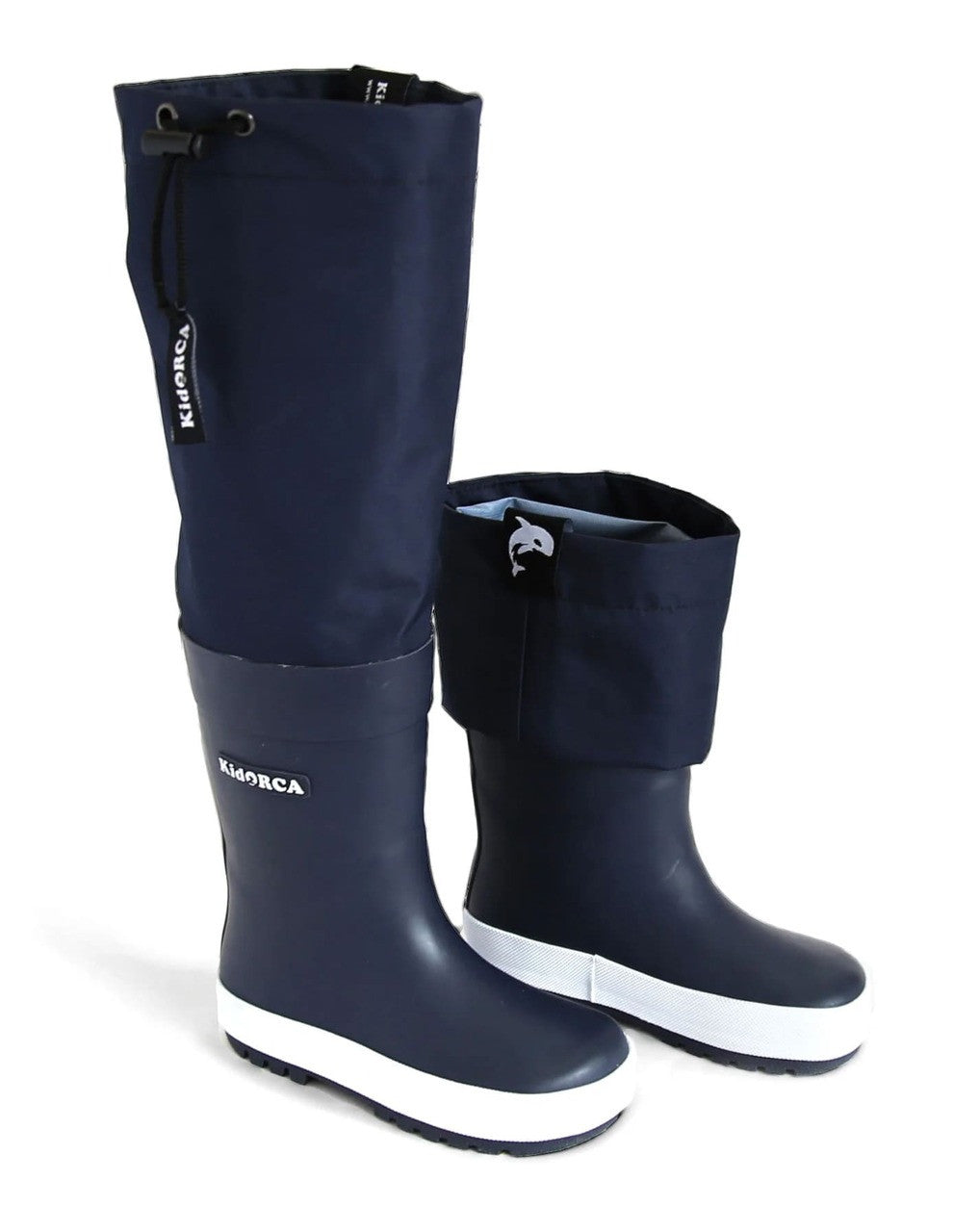
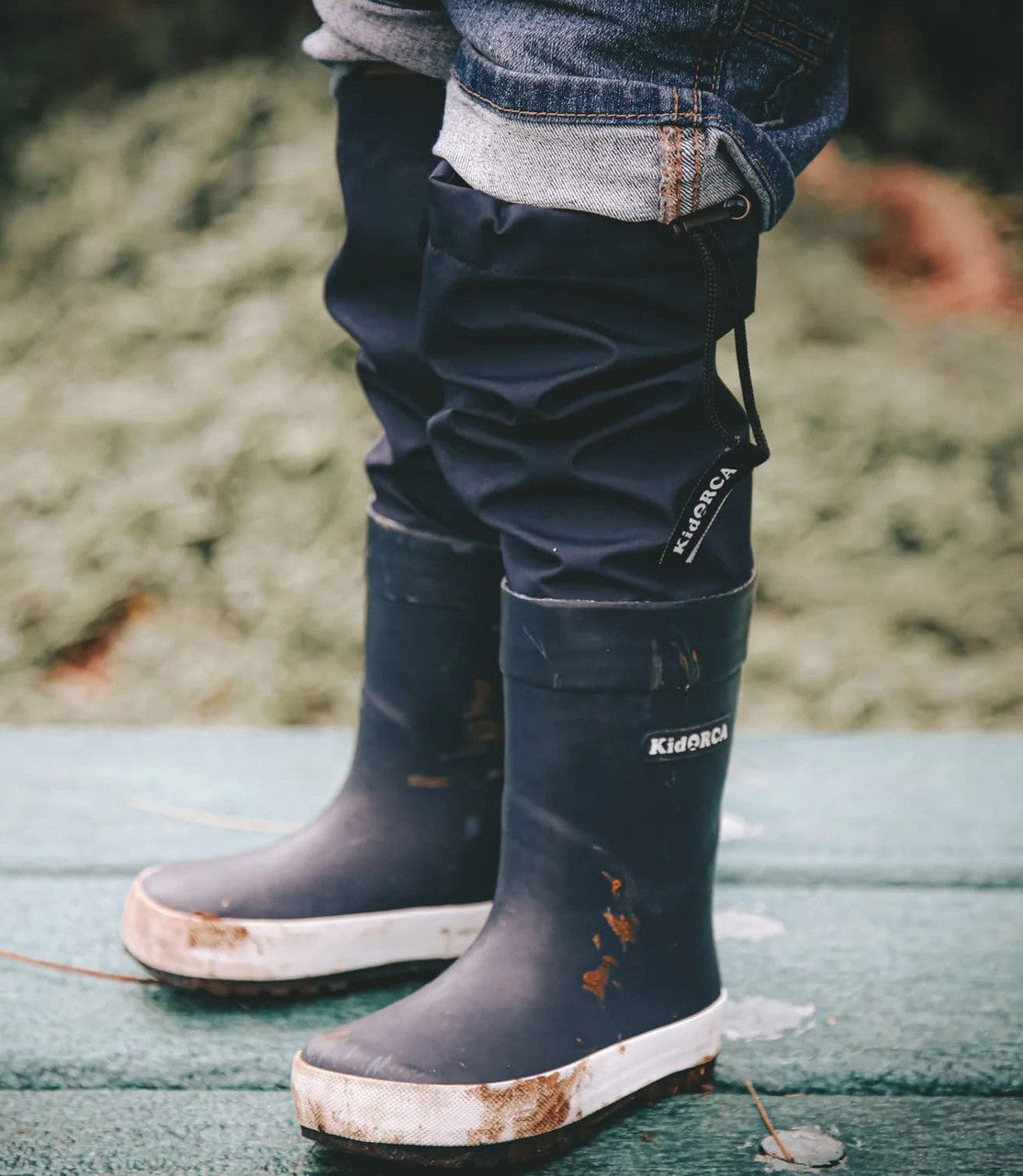
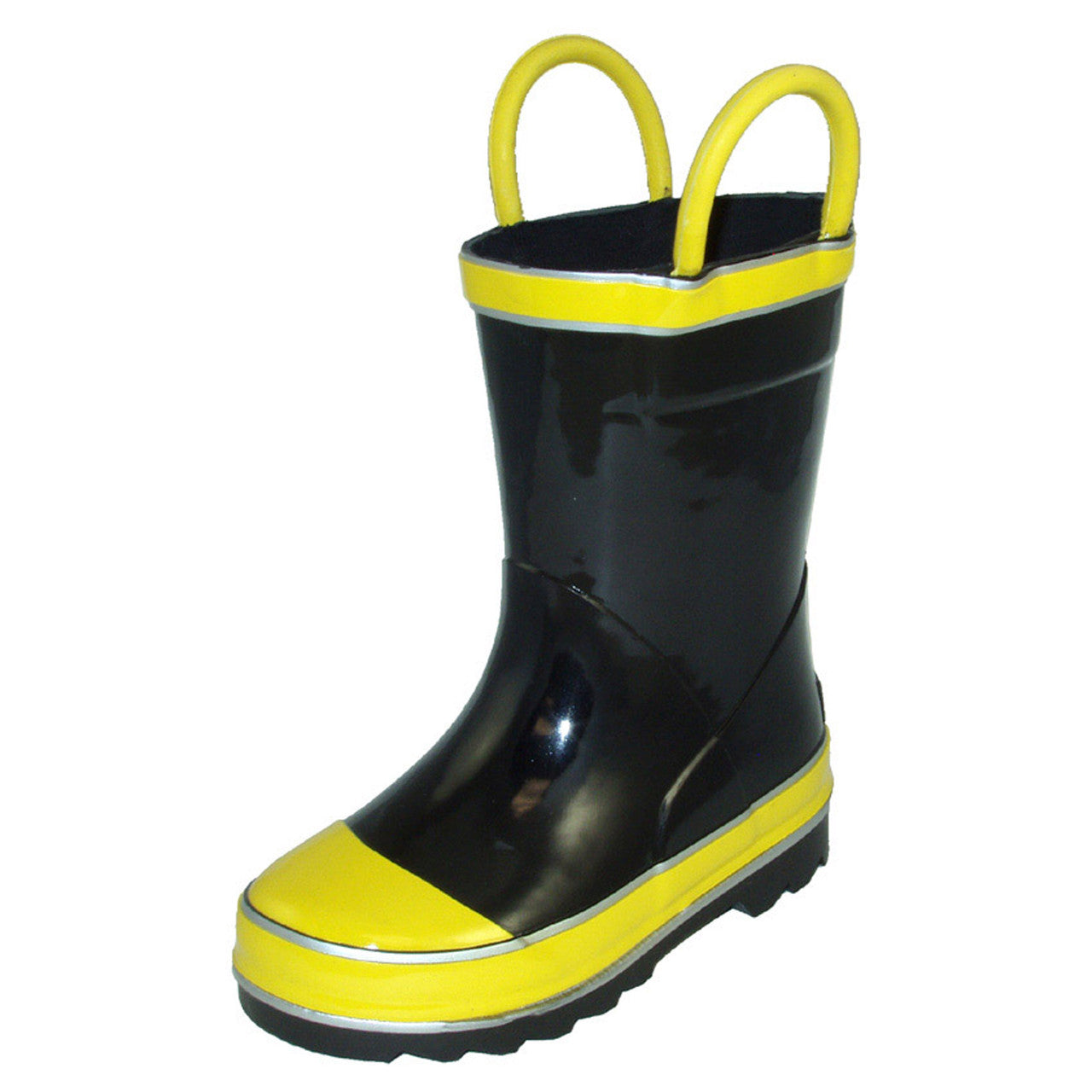
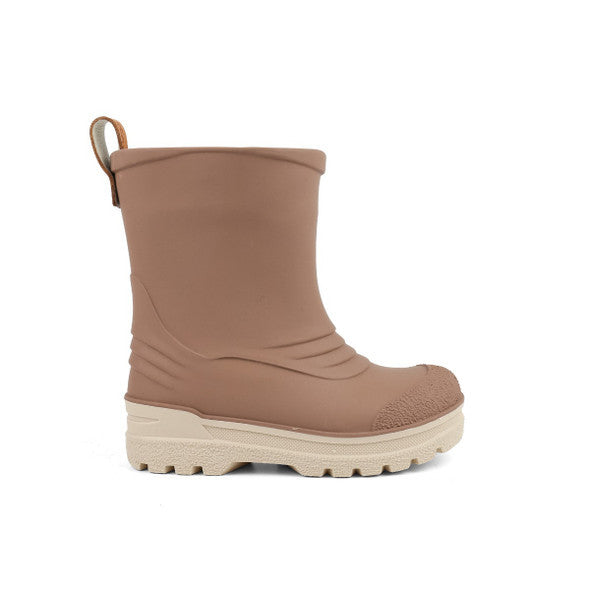
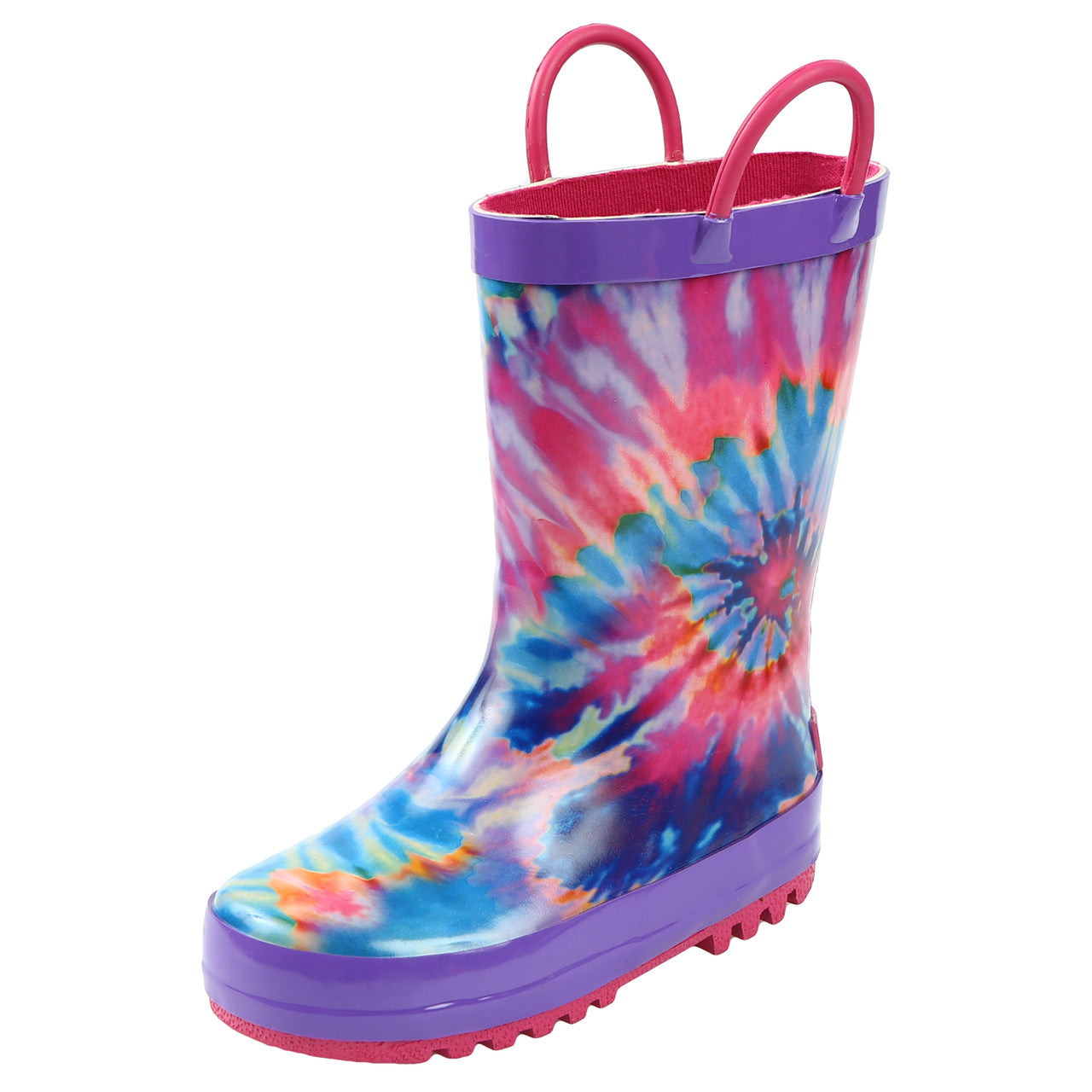
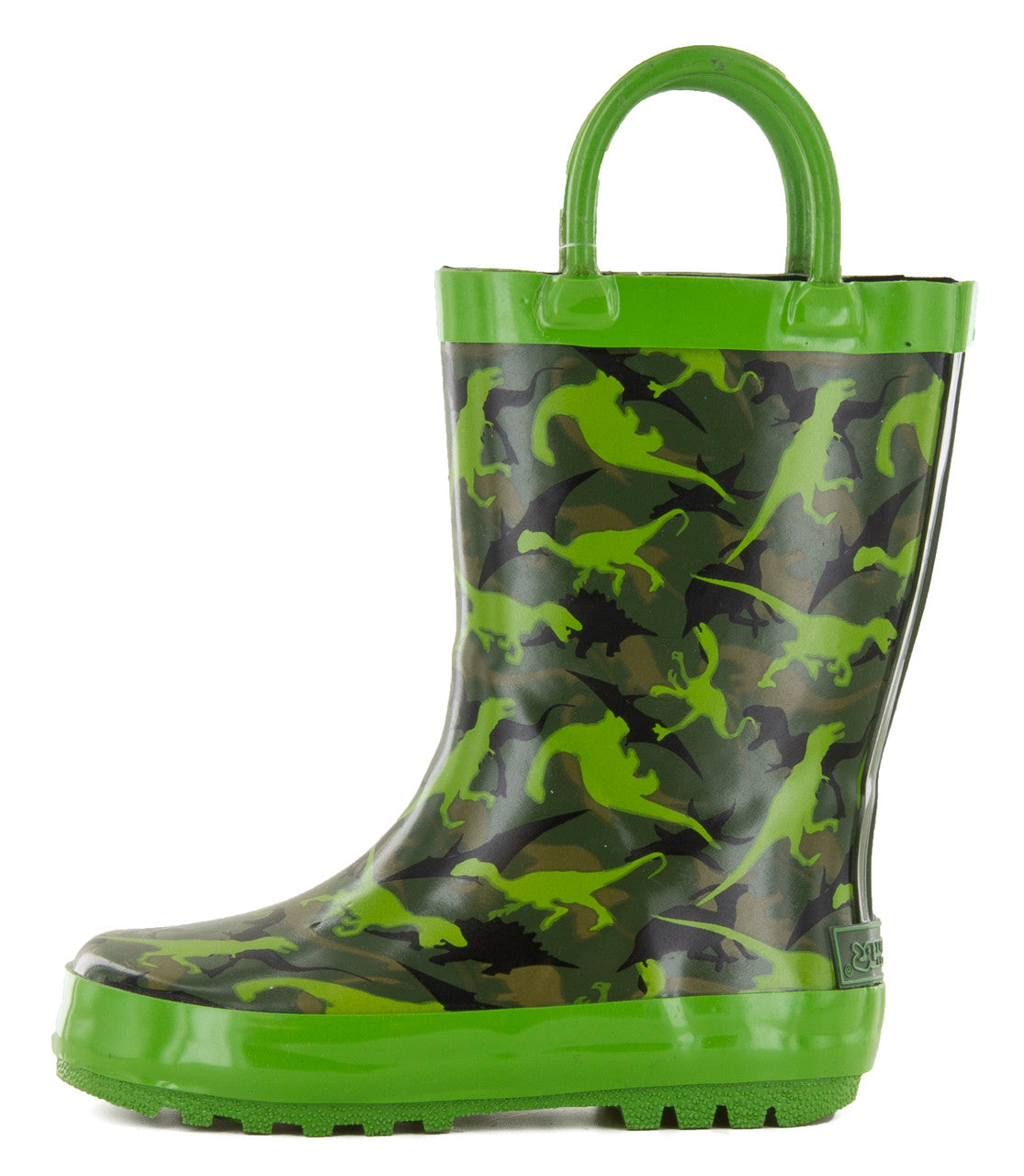
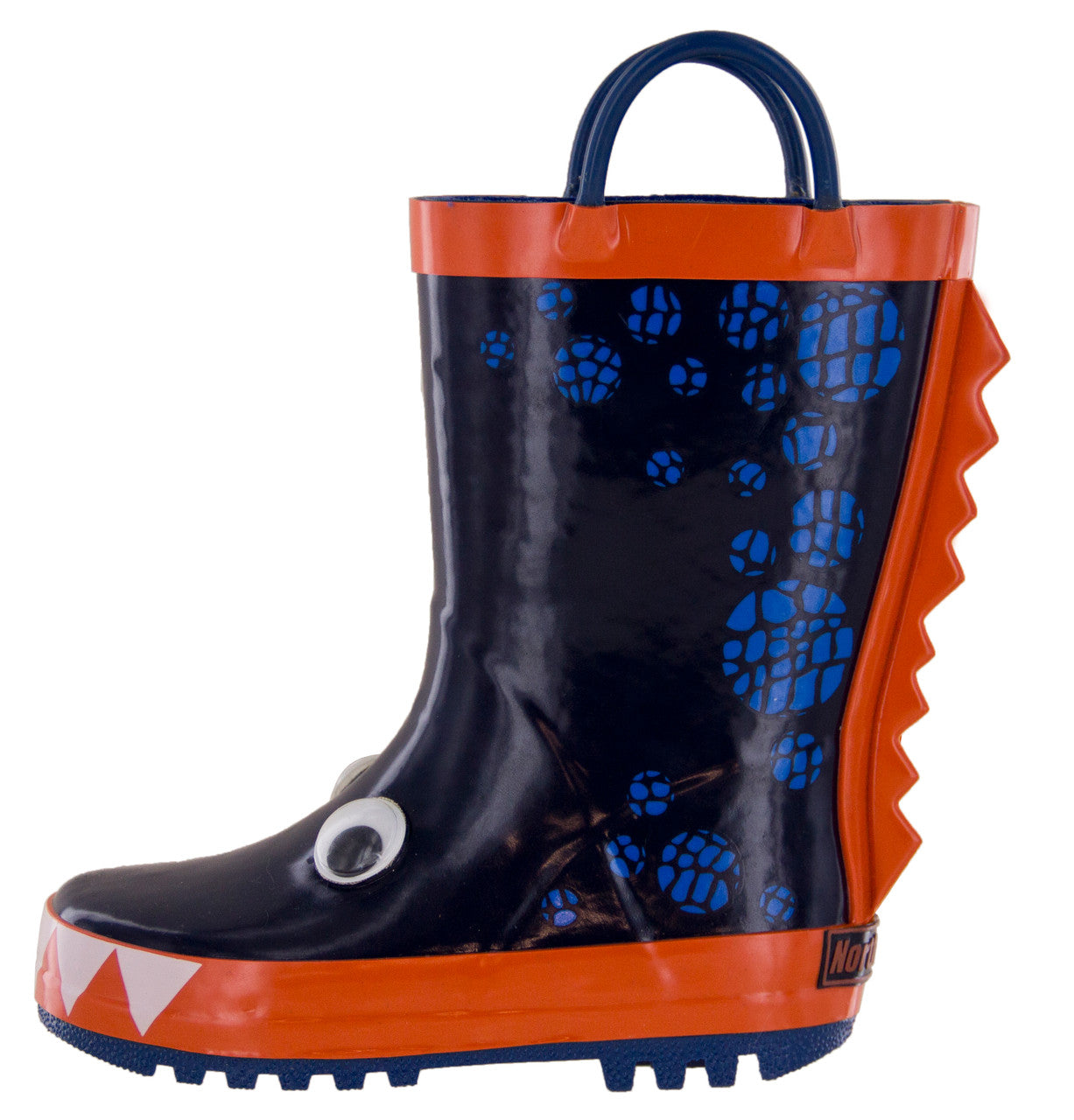
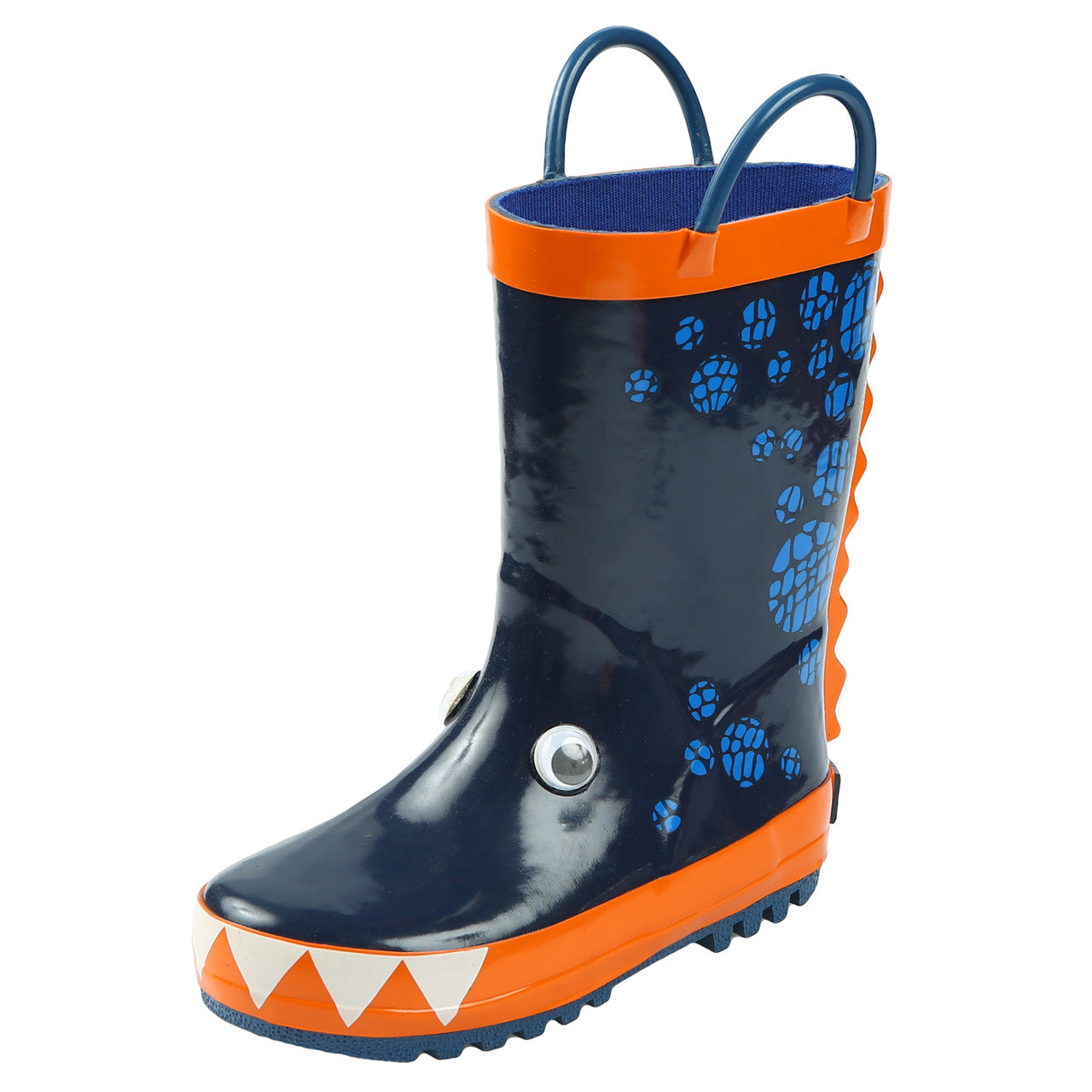
Kids’ Boots and Shoes Built for Real Outdoor Days




FOUNDED BY WOMEN. BUILT FOR ADVENTURE.
ODSS was started by women- mother's who know that time outside builds resilient, confident kids. Outdoor gear for schools turned into a mission:
Helping families get outside more.

Peace of Mind

Outdoor School Approved

Family Approved too!

No Bad Weather