


Layering Made Simple: The 1-2-3 Formula for Outdoor Comfort
An easy, no-confusion guide to weather-proofing your child.
Why layer?
Layering keeps kids warm, dry, and comfortable as weather and activity change.




Layering Tips
Mix your layers! Wool, fleece, and technical fabrics work well together - just skip cotton, which holds moisture and can leave kids feeling cold and damp.
Wool retains warmth even when damp, wicks moisture away from the body, and naturally resists odor.
Fleece traps body heat while remaining lightweight and breathable, making it ideal for active kids.
Technical fleece offers breathable, quick-drying warmth for high-activity days.
Synthetic insulation provides dependable warmth, even in damp conditions.
It holds moisture and makes kids cold.
Remove mid layers first as they warm up or add mid layer when temperatures cool down.
This provides comfort and movement - no need to size up outer layers.
Even the best winter coat cannot compensate for wet socks or soaked mittens. Waterproof boots and insulated waterproof gloves or mittens are essential for keeping children warm during snow, rain, and mud play. If hands and feet stay dry, kids can usually stay outside much longer comfortably.
Wet gloves, socks, or base layers can end outdoor fun quickly. Packing an extra pair of mittens, socks, or a lightweight base layer helps kids stay comfortable longer and prevents cold, damp clothing from ruining the day. This is especially important for outdoor school programs where children spend extended time outside.
A child who feels warm getting into the car may not be dressed warmly enough for hours outside. Always plan clothing based on outdoor temperature, wind, precipitation, and activity level rather than indoor comfort. Layers can always be removed if kids get too warm.
How to Layer
STEP 1 - BASE LAYER
Close to skin and wicks away moisture that leaves a child feeling cold.


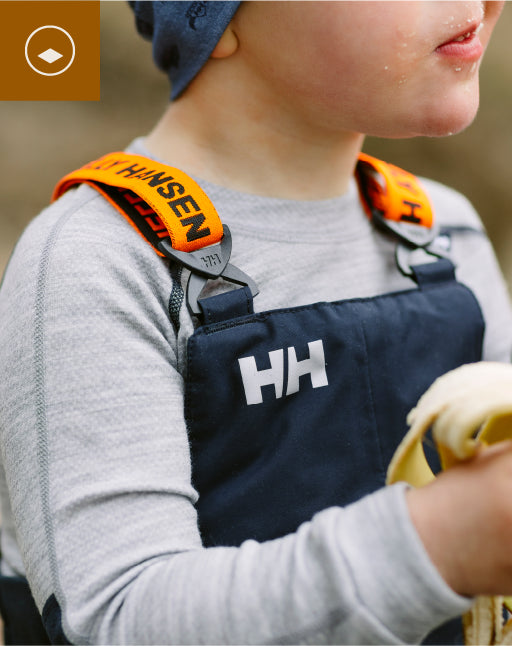
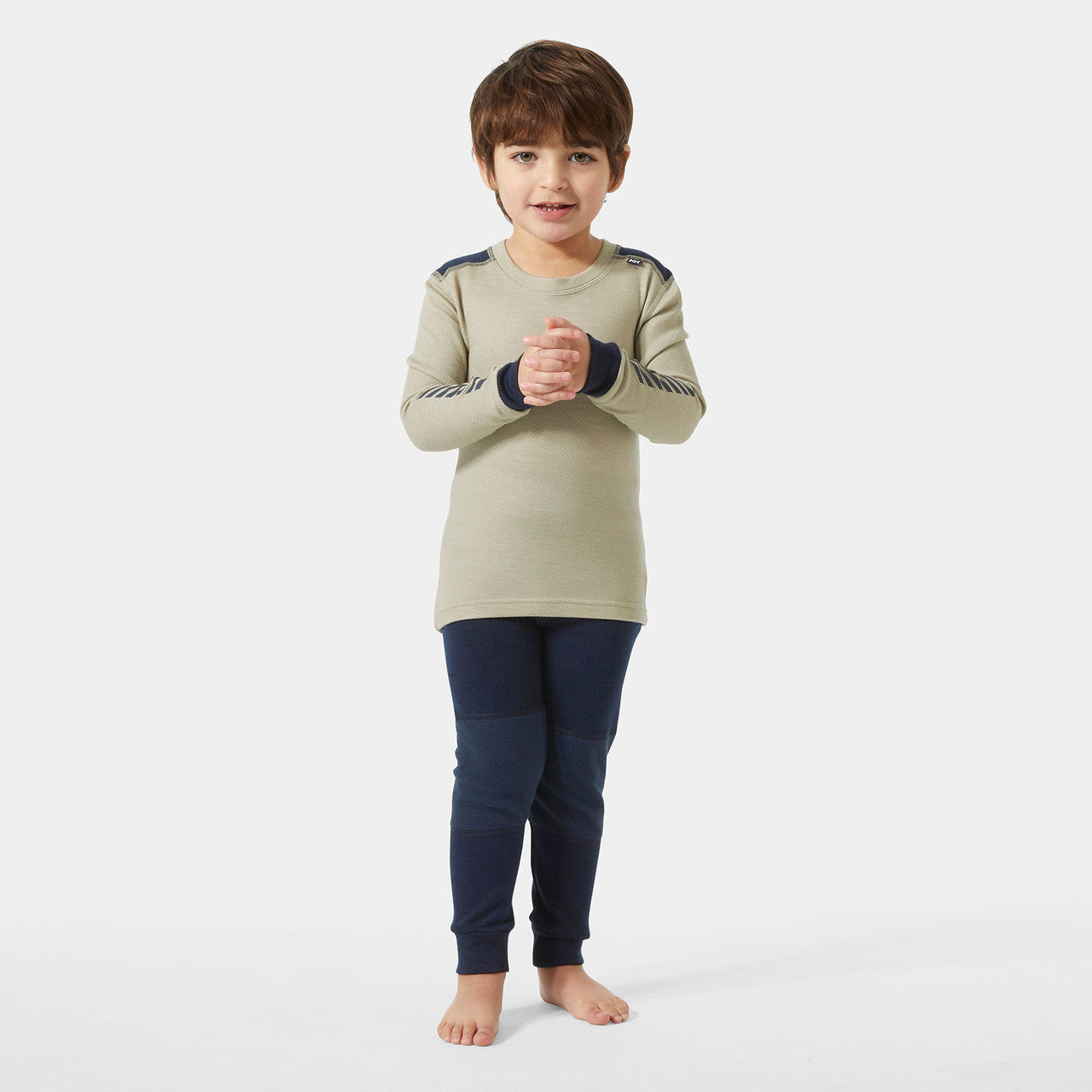
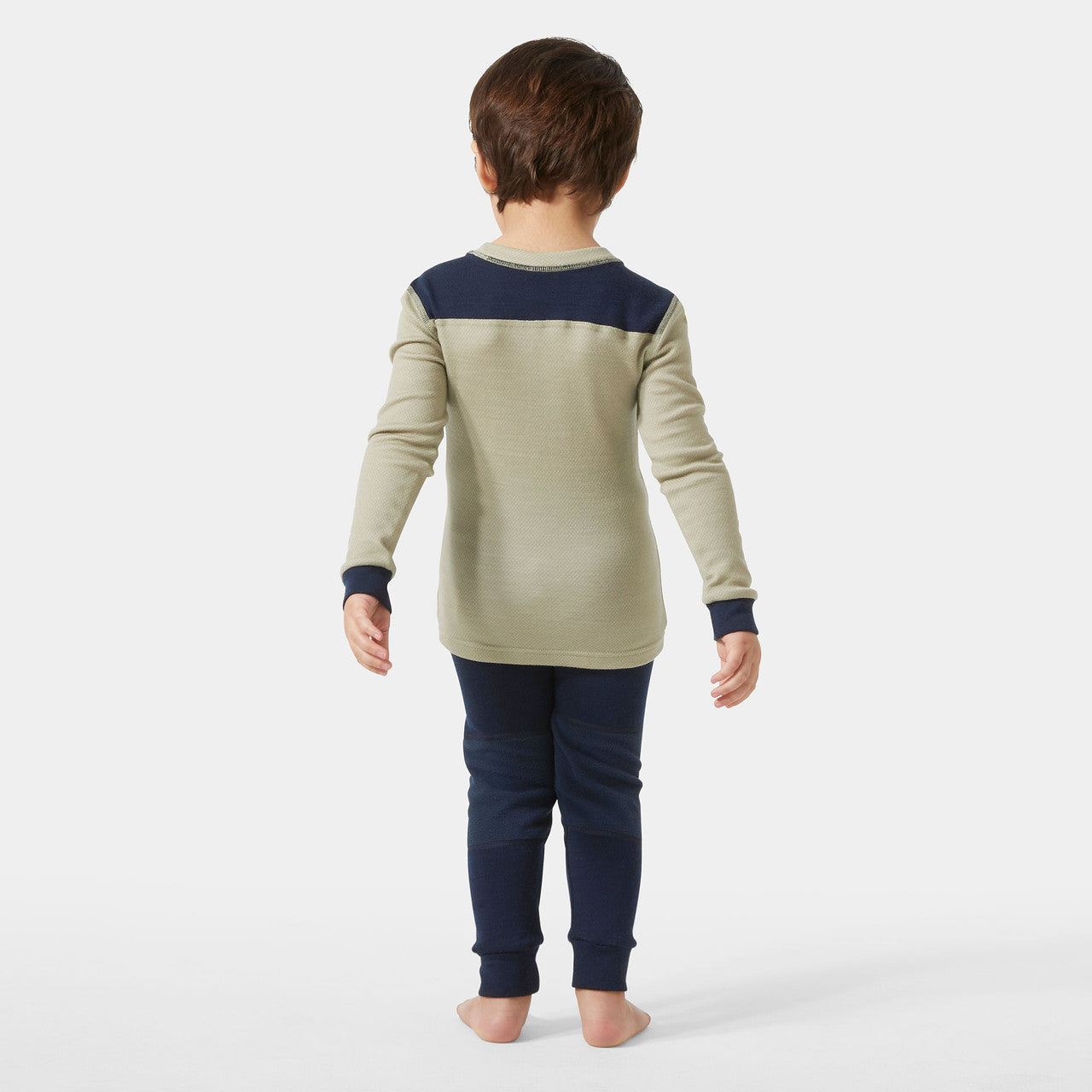
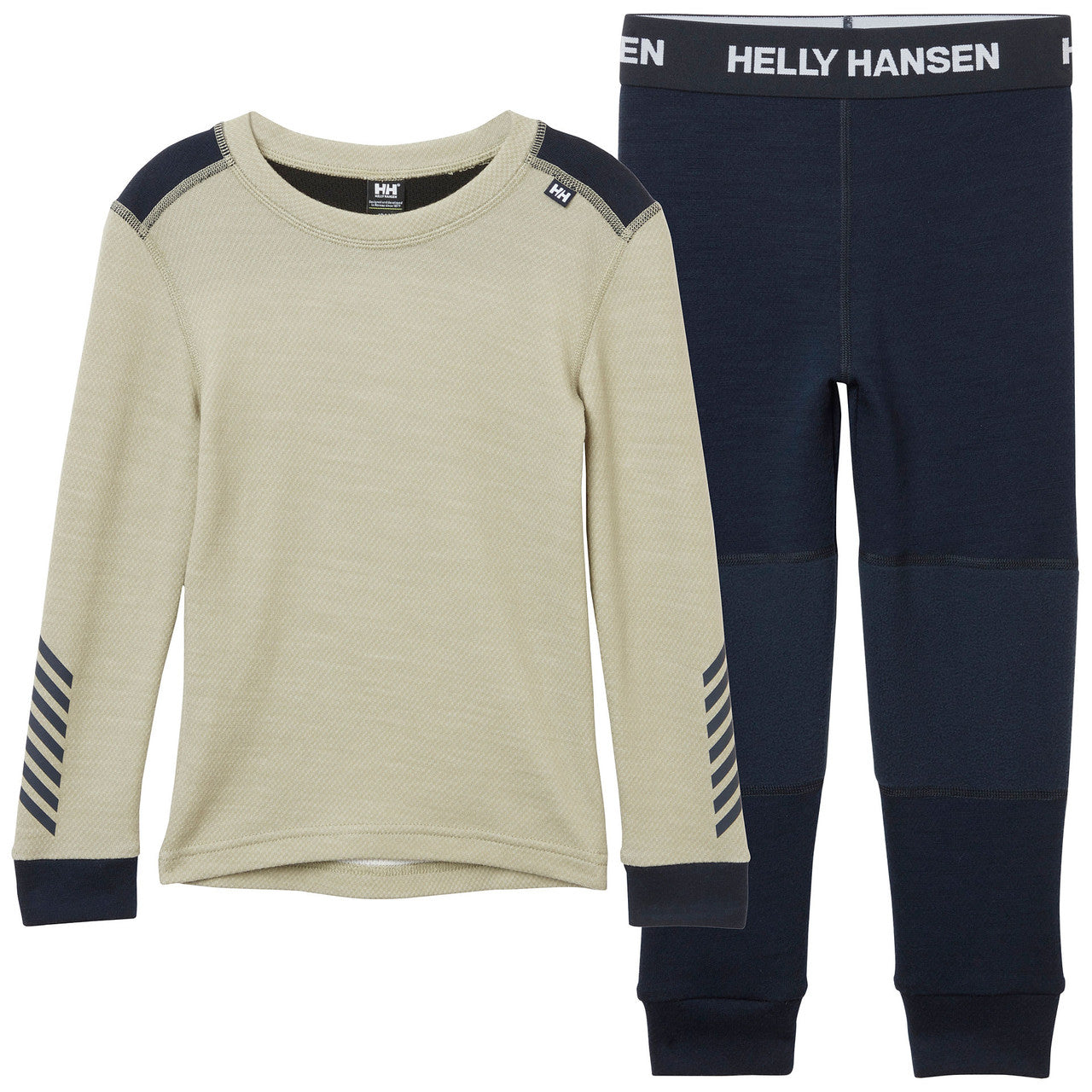
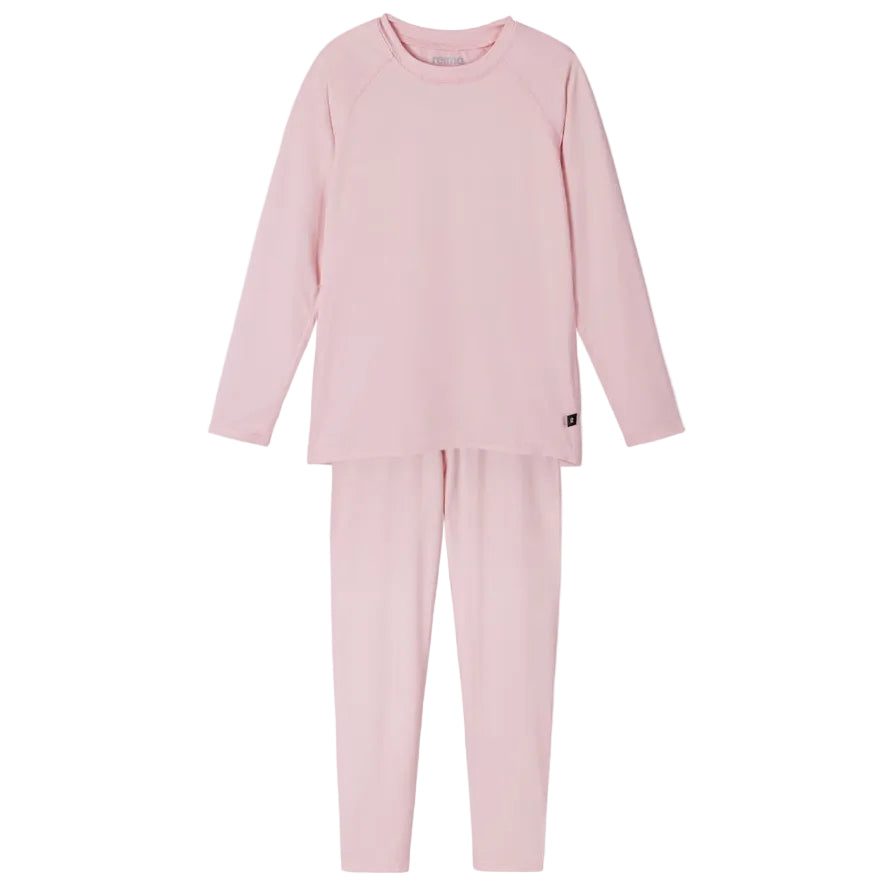
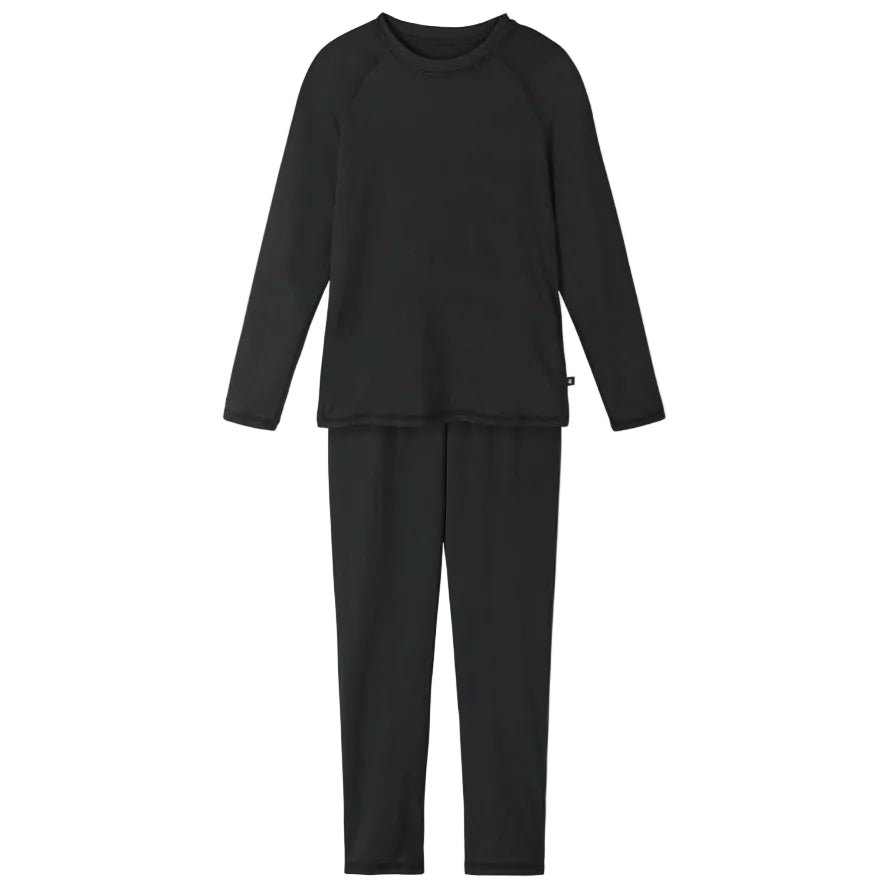
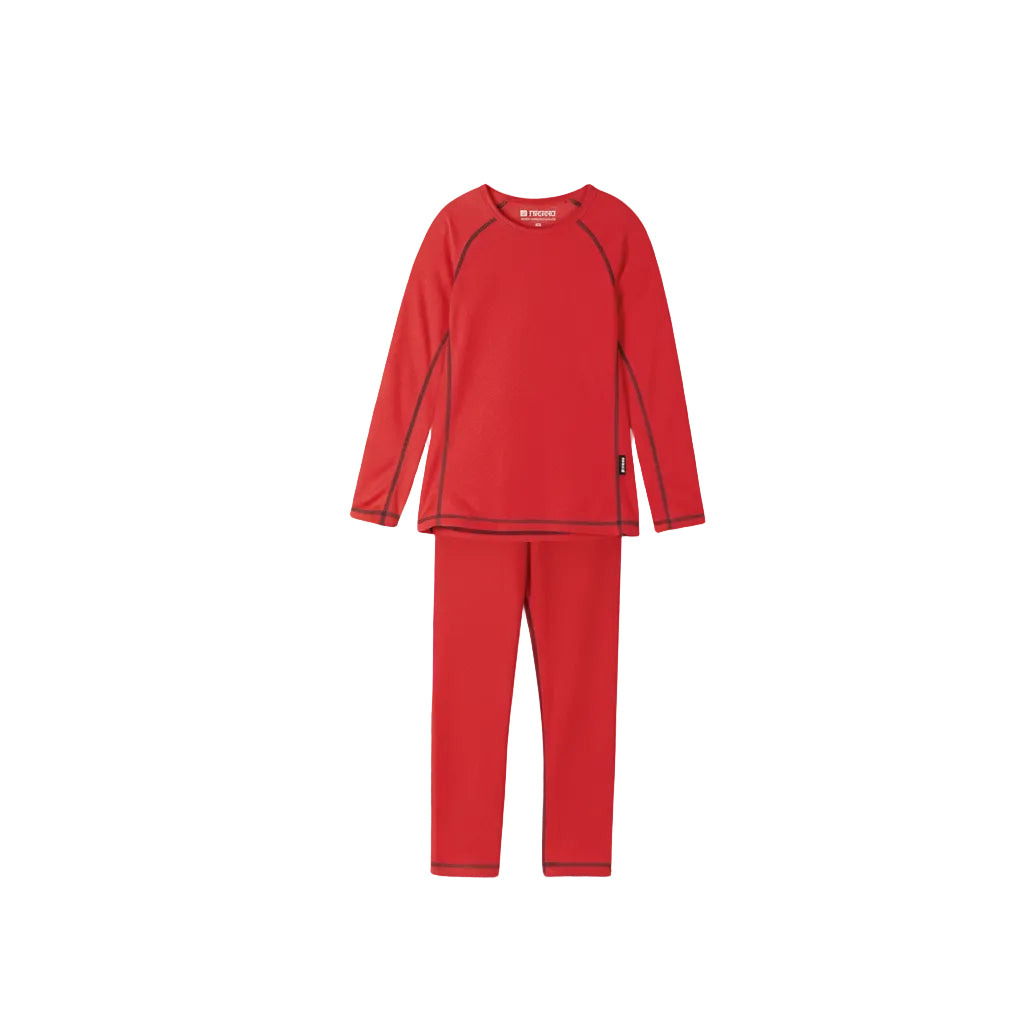
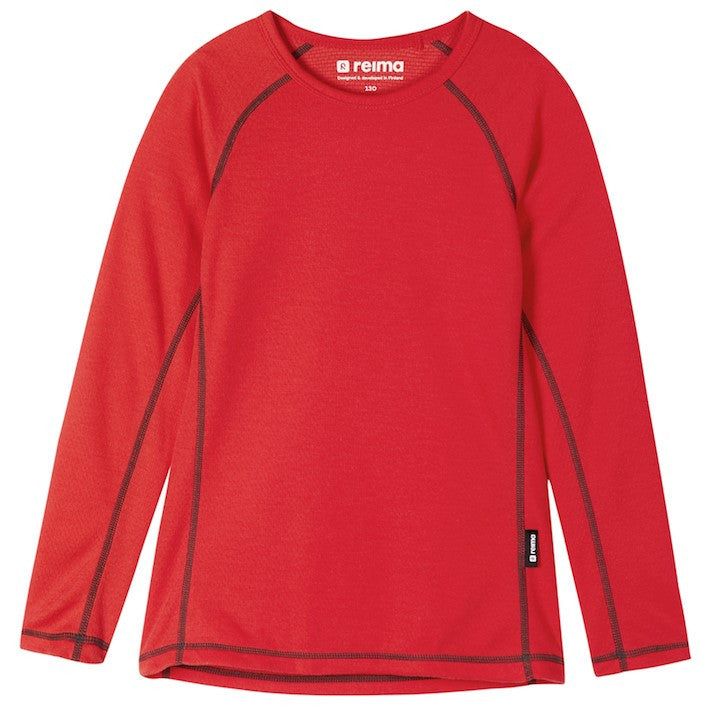
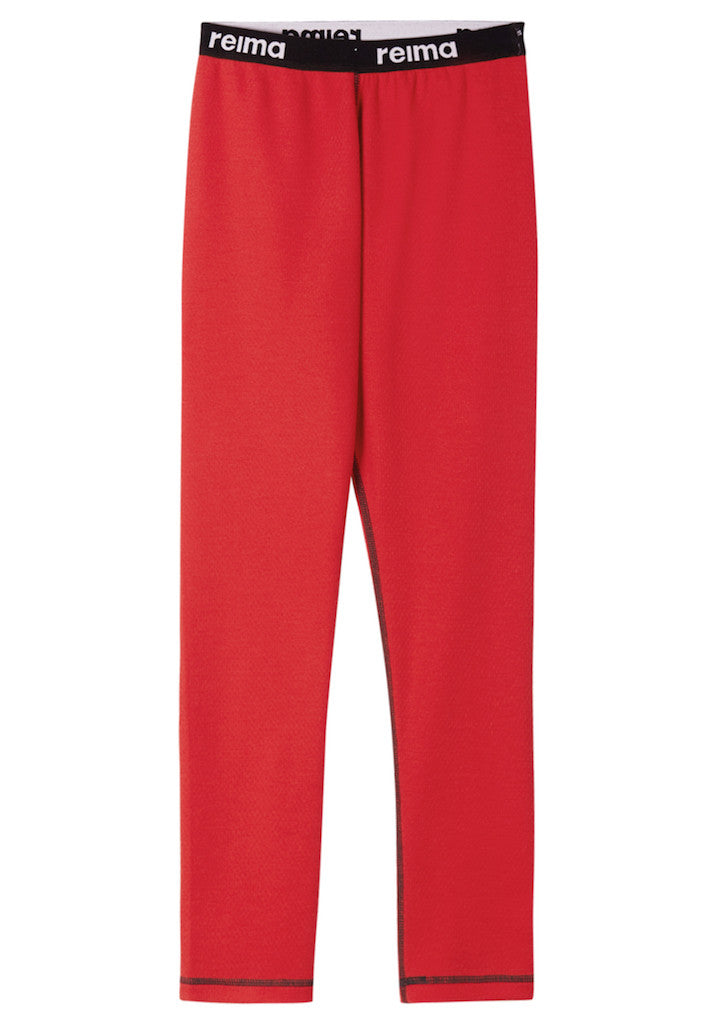
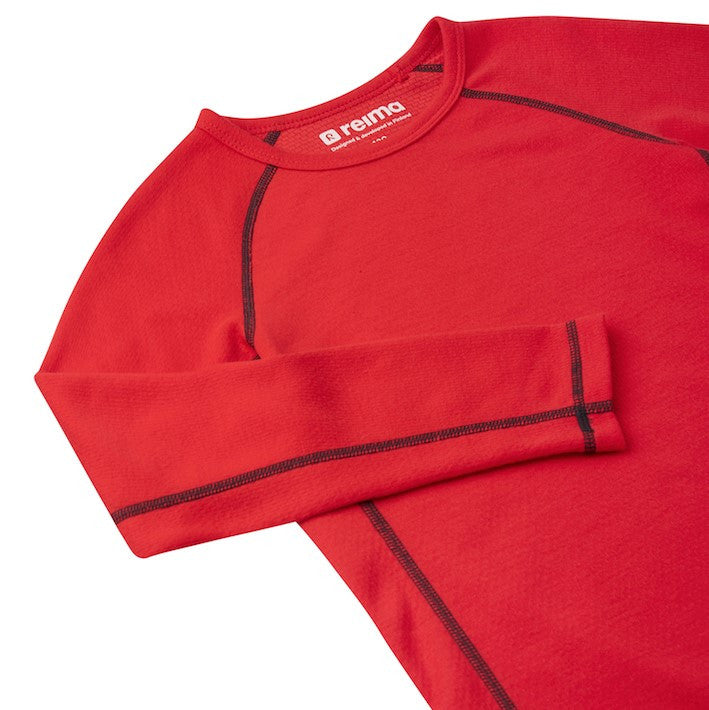
The base layer is worn next to the skin and keeps kids warm and dry by wicking moisture away from the body. Choose wool or high-performance synthetic tops and bottoms that match the temperature and your child’s activity level.
- Lighter weight layers for active play or milder weather
- Warmer weights for cold or low-activity days.
- Cotton should never be used as a base layer; it traps moisture against the skin and makes kids cold.
- Fit matters, especially for feet. Socks that are too tight can restrict circulation and make feet colder, even if the material is warm. Wool socks are essential, and kids should always have extra pairs available.
- Don’t forget the head and neck. A thin merino wool or synthetic beanie works best as the first layer on the head.
Expert tip: In cold or windy weather, add a balaclava or neck warmer. The neck is often overlooked, and gaps here allow wind to get inside jackets and quickly cool kids down.
Wool or high tech poly: Retains warmth, wicks moisture and has anti-microbial properties. Wool is the go-to for all seasons!
Cotton is never recommended as a base layer as this fabric actually traps the moisture next to the child's skin making them cold.
STEP 2 - MID LAYER
Serves as an insulation between the base and outer layers.

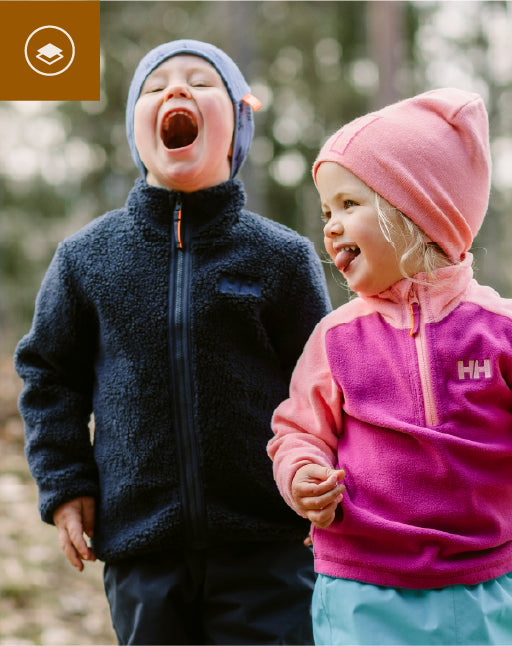
The mid layer provides insulation by trapping warmth between the base and outer layers. This layer should be easy to add or remove as activity level and temperature change. Common mid-layer tops include fleece zip-up jackets, wool sweaters, performance fleece zip ups, or lightweight insulated (puffer-style) jackets.
Mid-layer bottoms add warmth without bulk. Good options include mid-weight fleece pull-on pants or looser-knit merino wool pants. Fit and flexibility matter. Mid layers should feel warm but not restrictive, allowing kids to move easily and adjust layers throughout the day. In very cold weather, children will wear more than one layer; in milder conditions, this layer may be skipped altogether.
Expert tip: Zip-up mid layers are easier for kids to regulate on their own. Being able to unzip or remove a layer during active play helps prevent overheating and sweat buildup.
Fleece and wool are ideal mid-layer materials: Wool retains warmth even when damp, wicks moisture away from the body, and naturally resists odor. Fleece is lightweight and breathable, trapping body heat while allowing moisture to escape. Technical fleece and performance fabrics can add breathability and light water resistance.
Cotton is never recommended as a base layer as this fabric actually traps the moisture next to the child's skin making them cold.
STEP 3 - OUTER LAYER
Protection from the elements

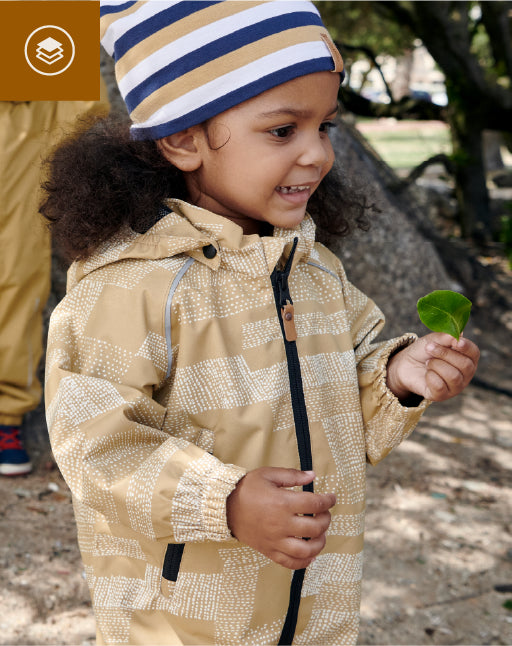
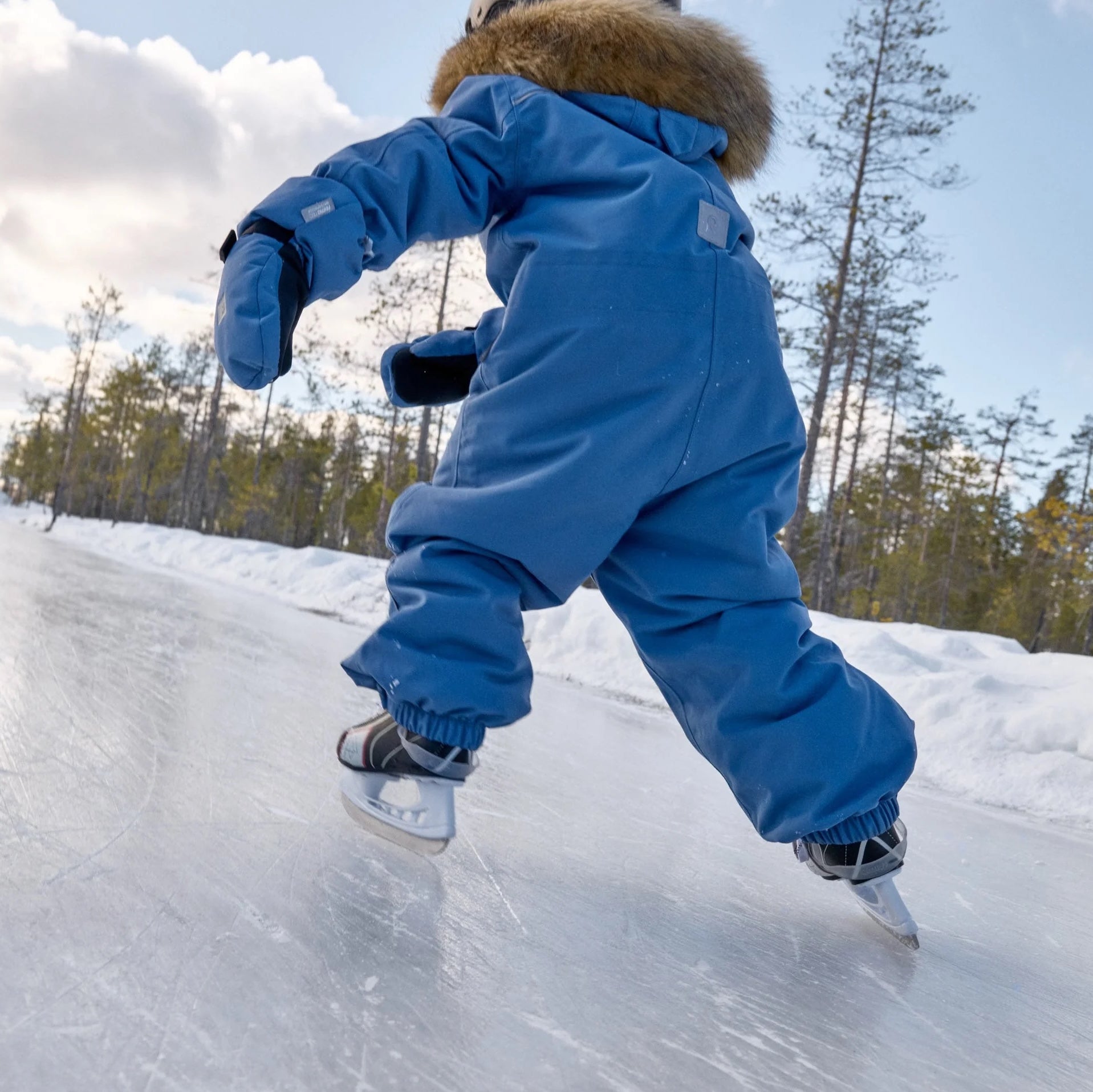
Outer layers protect kids from the elements - not just cold. They shield against snow, rain, wind, and sun, while allowing inner layers to provide warmth as needed. In cold conditions, this usually means insulated, waterproof snow jackets and snow pants. In milder or wet climates, a waterproof shell or rain gear serves as the outer layer, blocking wind and rain while inner layers regulate warmth. In sunny conditions, lightweight outer layers with UV protection help protect skin from sun exposure.
Insulated materials add warmth, but insulation should match the climate and activity level.
Choose waterproof and windproof materials for outer layers to block rain, snow, and cold air.
Lightweight shell fabrics work well in mild or wet weather when warmth comes from inner layers.
For sunny conditions, choose UPF-rated fabrics that provide protection from UV exposure.
Avoid cotton. When it gets wet, kids get cold.
Shop our best bases
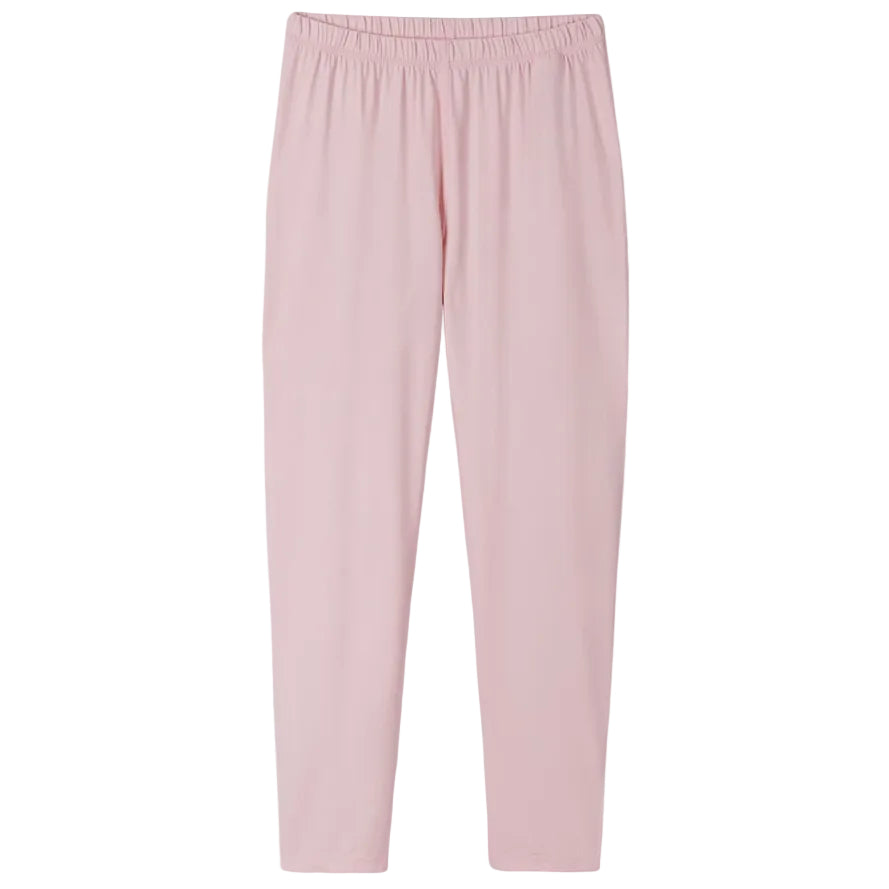
Recommended base layers for best warmth and protection


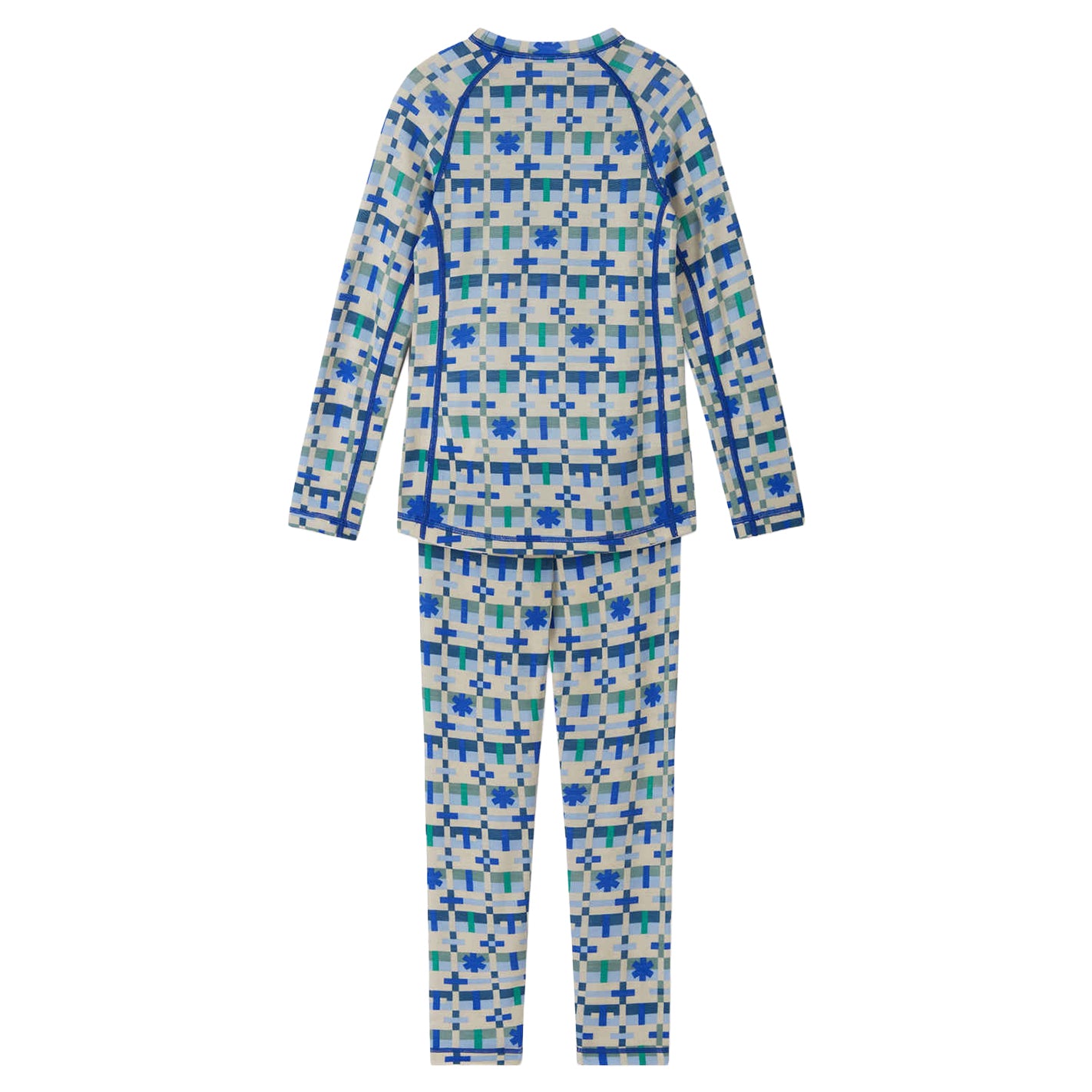
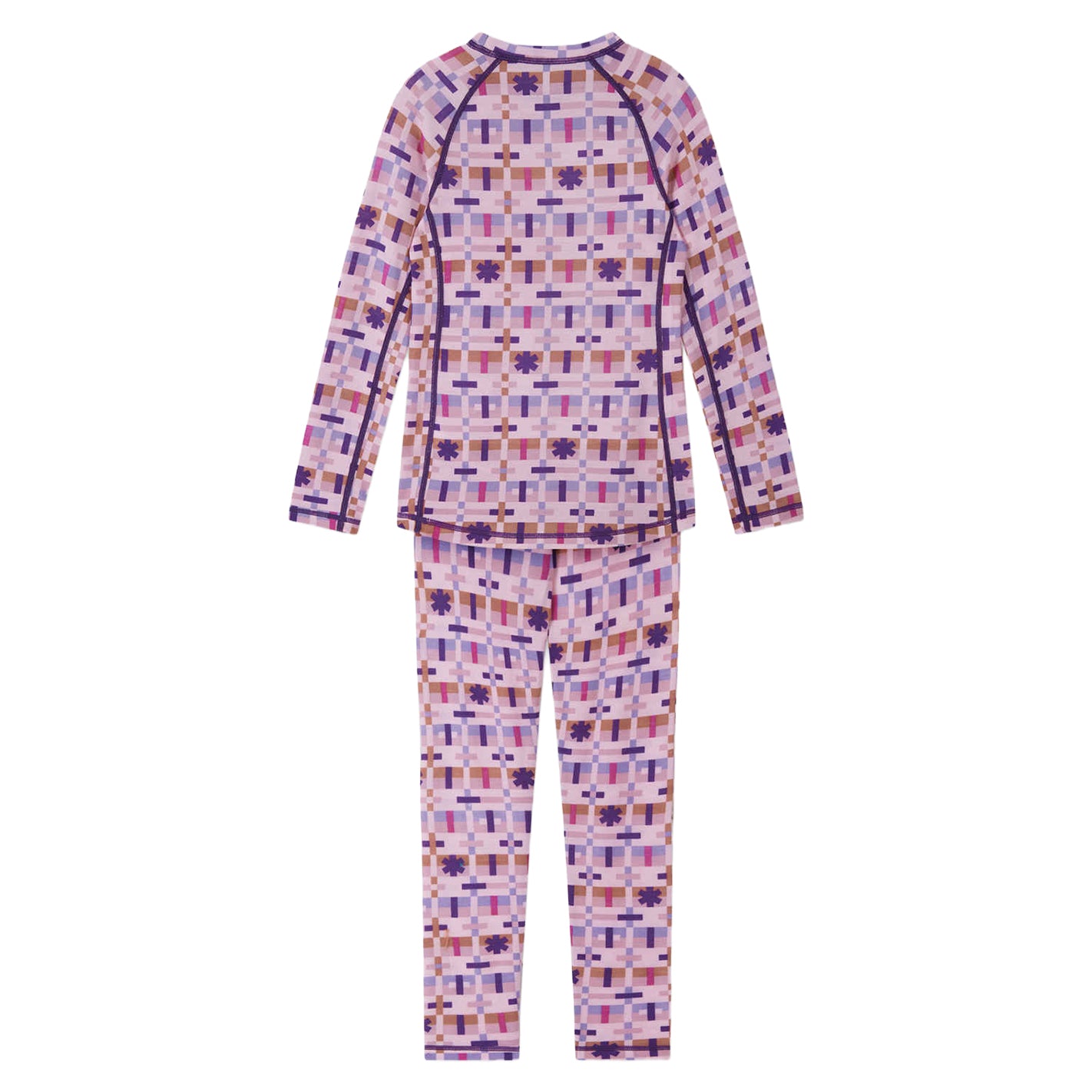


Shop Layers By Category
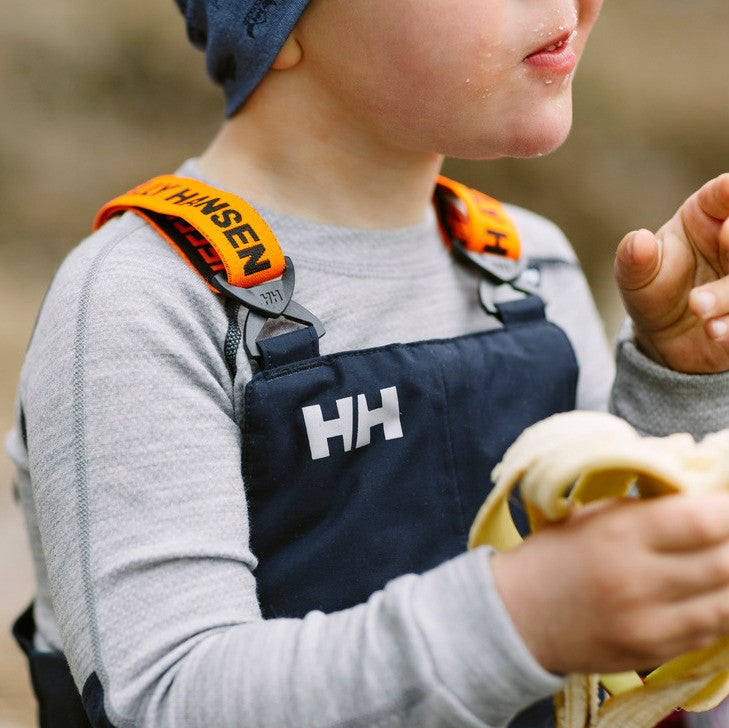
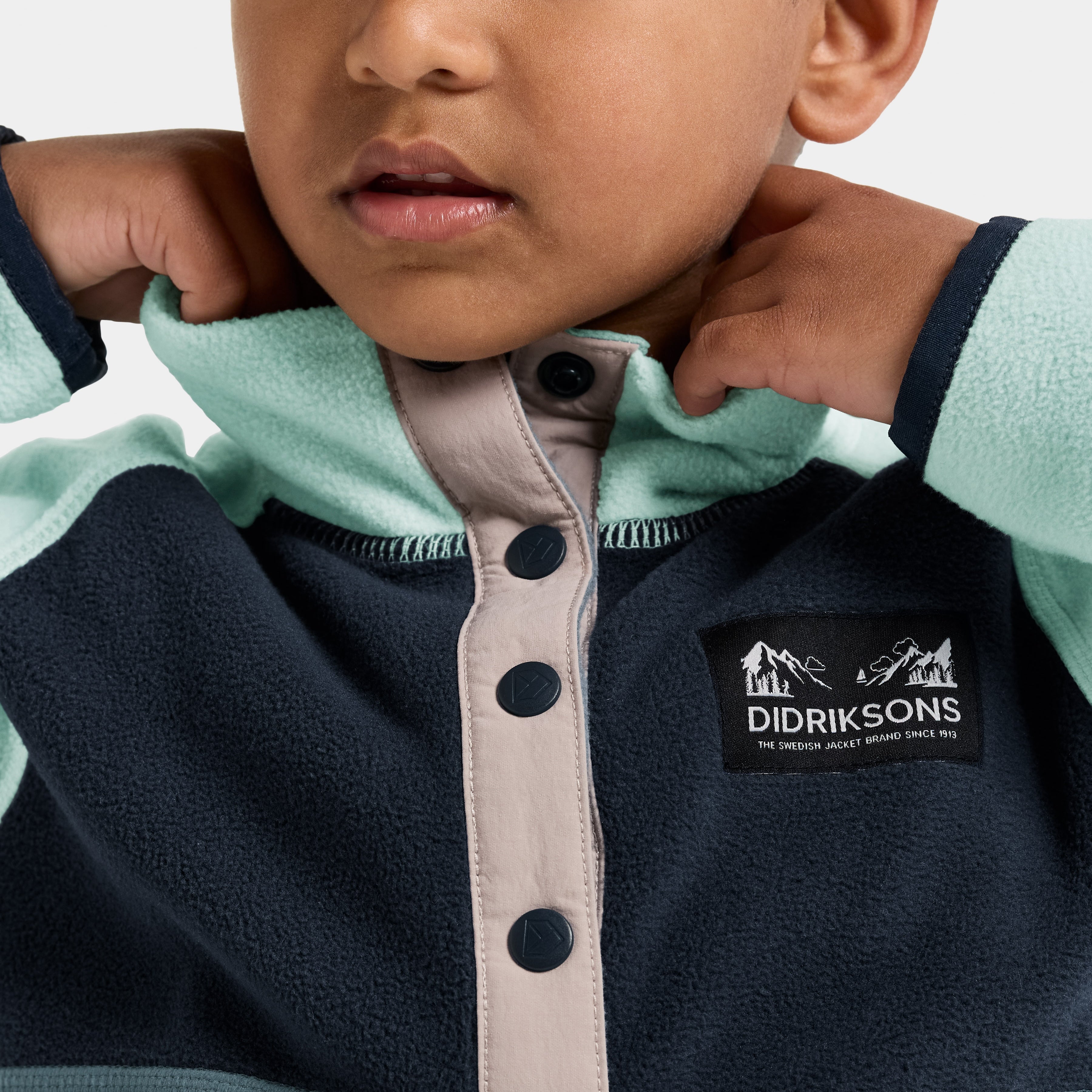

FOUNDED BY WOMEN. BUILT FOR ADVENTURE.
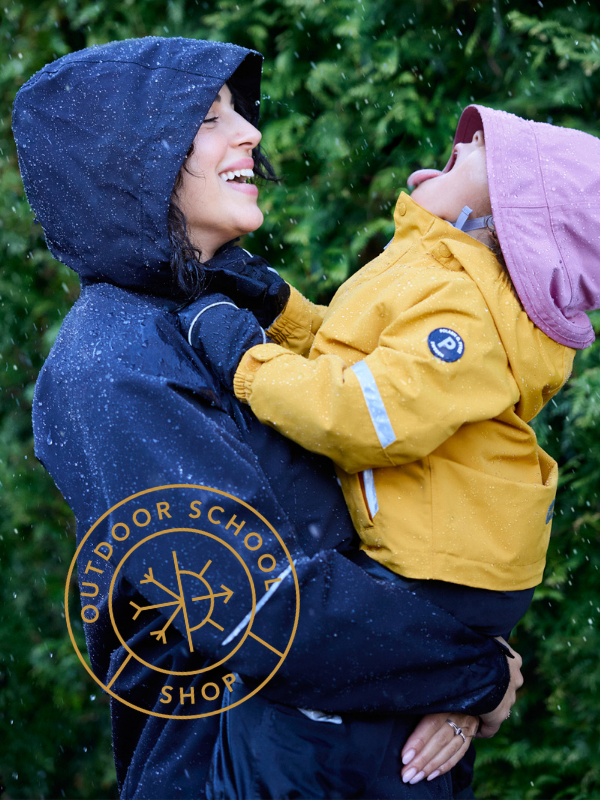
ODSS was started by women- mother's who know that time outside builds resilient, confident kids. Outdoor gear for schools turned into a mission:
Helping families get outside more.

Peace of Mind

Outdoor School Approved

Family Approved too!

No Bad Weather