

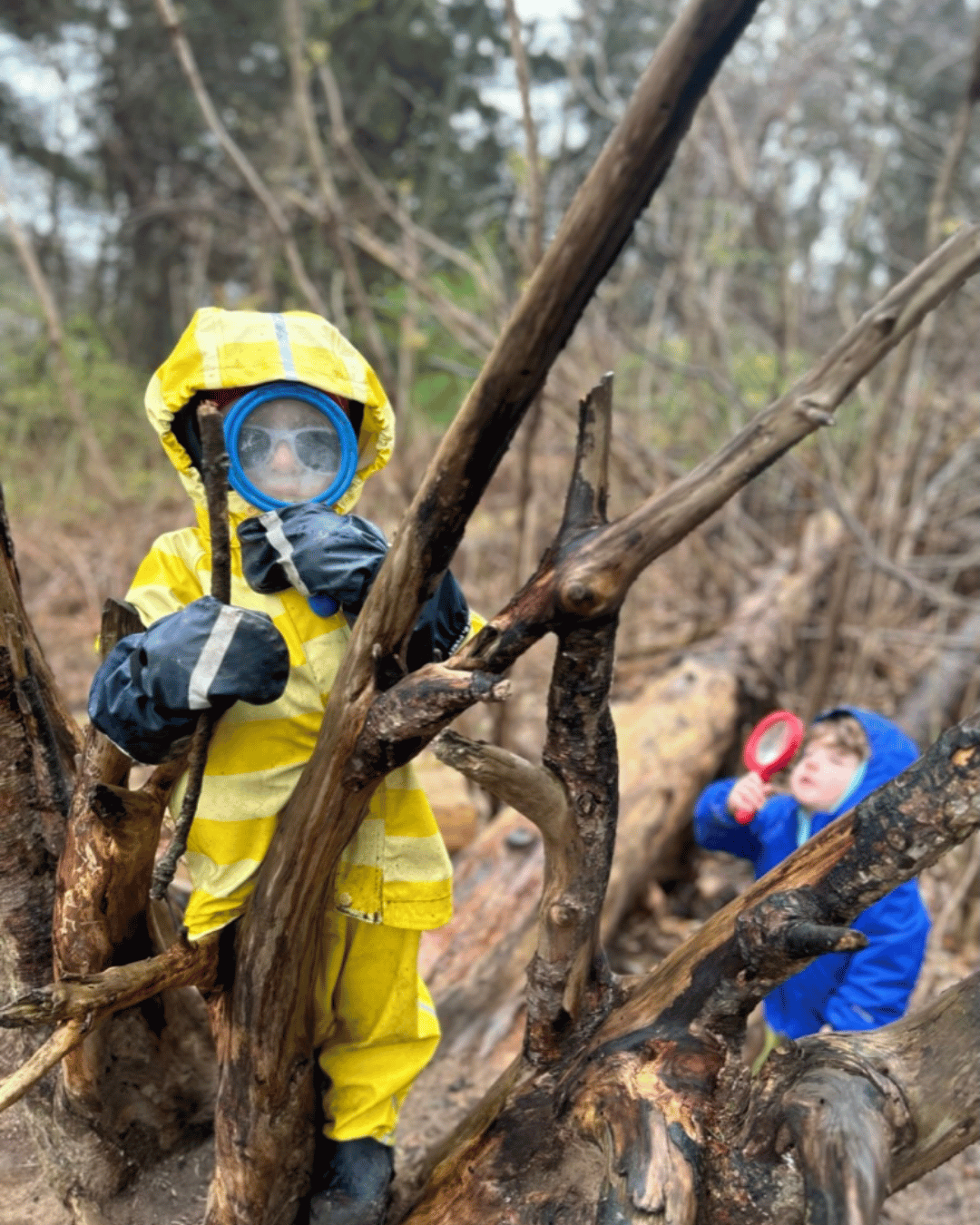
What is outdoor school?
In the United States and Canada, “outdoor school” is an umbrella term that includes a range of programs where learning takes place outdoors for a significant portion of the day. These programs vary in structure, setting, and time spent outside, but they all prioritize learning through direct experience in nature.
Based on our experience, outdoor school programs most commonly include the following types:
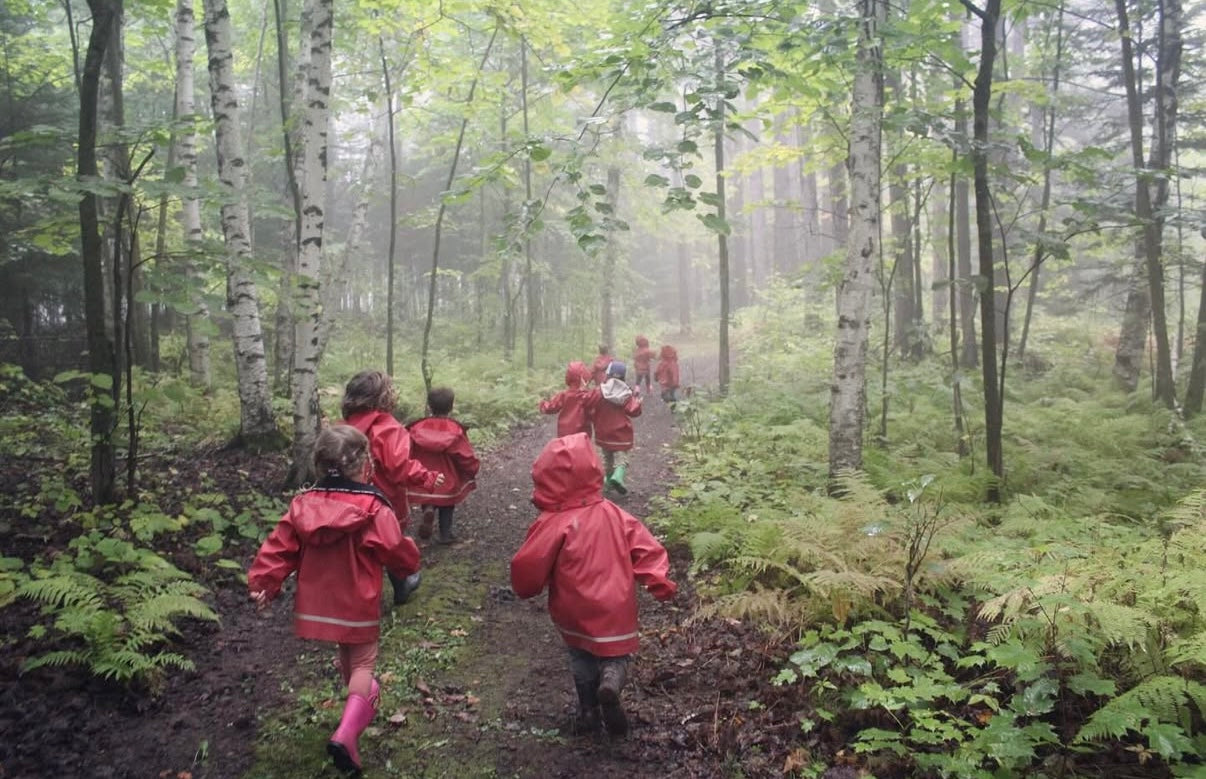
Forest Schools
Forest schools support play, exploration, leadership development, and supported risk-taking in an outdoor environment. This model originated in Scandinavia, where outdoor learning is considered a way of life.
Forest schools are typically the most immersive type of outdoor program. Children spend little to no time indoors, except during extreme or unsafe weather. Some programs offer limited shelter when needed. Risk is intentionally incorporated into the curriculum to support resilience, independence, creativity, and problem-solving skills.
Forest schools operate in a variety of settings, including public parks, arboretums, and forested land. Families should confirm that programs are led by trained and qualified forest school practitioners.
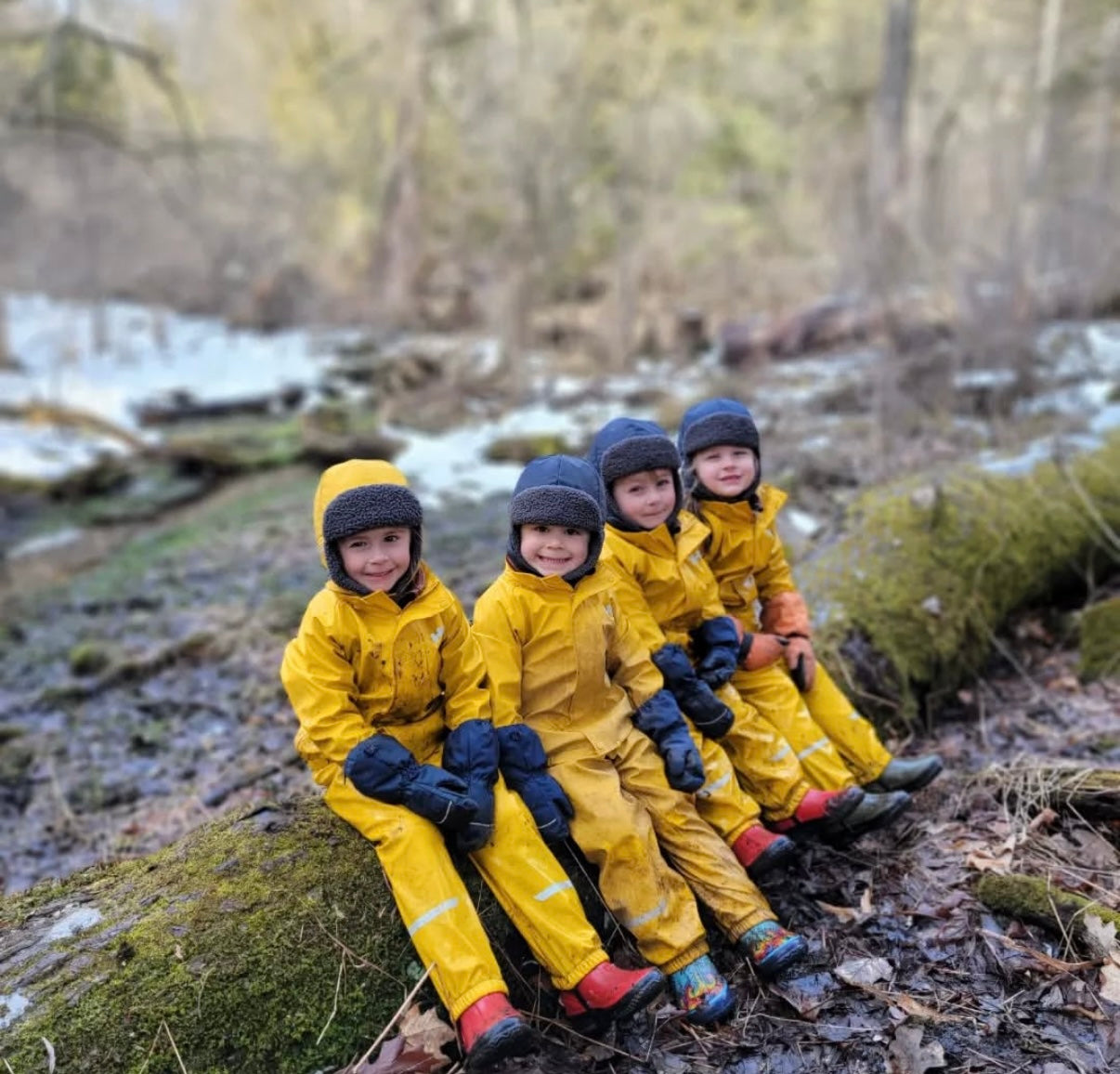
Nature Preschools & Kindergartens
Nature-based preschools and kindergartens differ from forest schools in that children do not spend the entire day outdoors. These programs generally hold at least 30 percent of the school day outside.
Nature is integrated into all areas of learning and is often tied to seasonal changes and local ecosystems. Indoor spaces and play areas typically reflect natural materials and environments rather than traditional playground equipment.
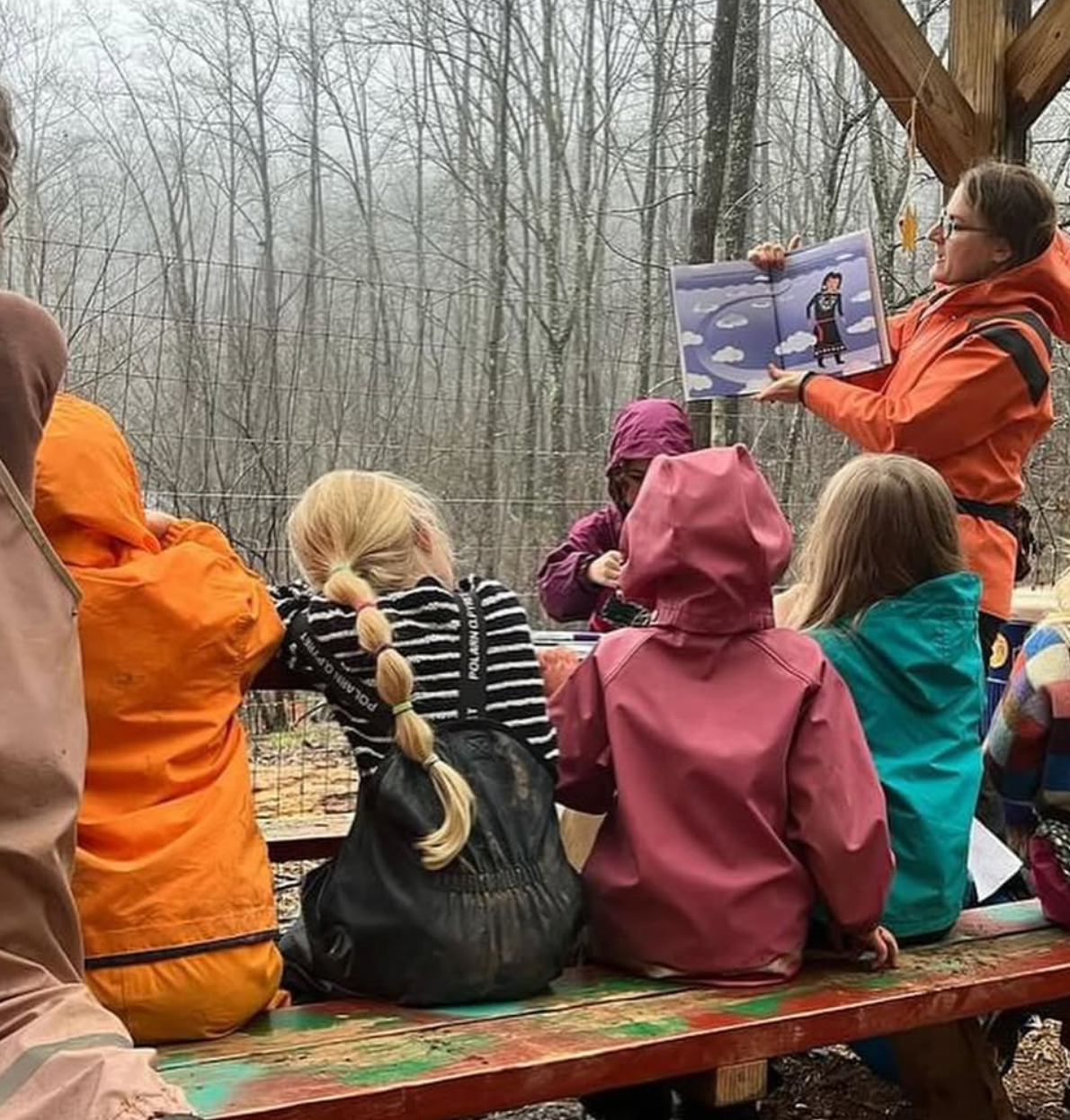
Farm Schools
Farm schools introduce children to learning within a working farm environment. These programs explore ecosystems, food systems, and sustainability through hands-on experience.
The amount of time spent outdoors varies by program, but in our experience, children are outside for at least half of the day. Students often participate in planting, harvesting, animal care, and land stewardship activities.
Waldorf & Rudolph Steiner Schools
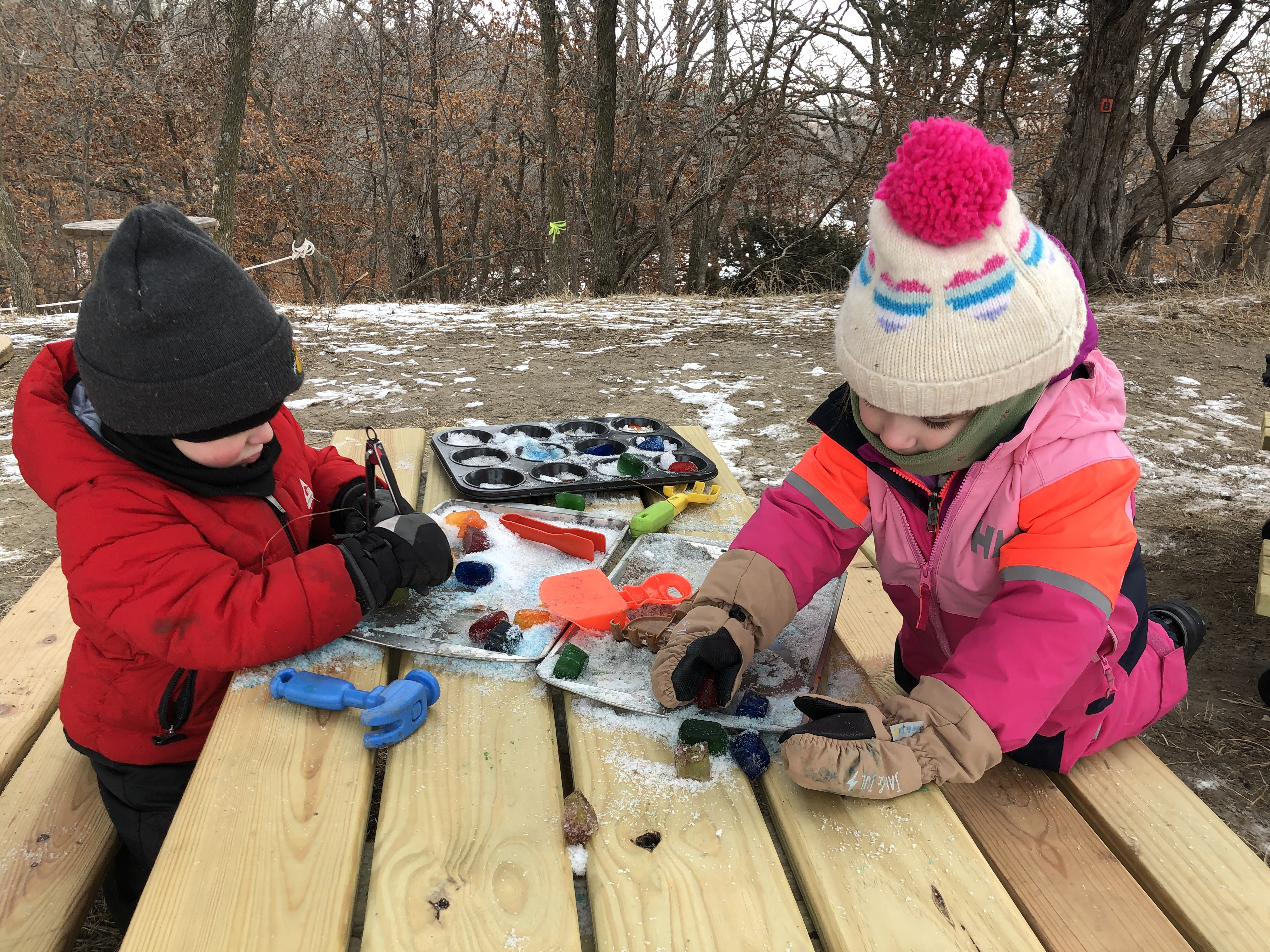
In Waldorf education, outdoor learning is a consistent and valued part of the curriculum. Programs often include forest and farm experiences, gardening, environmental observation, hiking, and outdoor science study.
Outdoor free play is emphasized, and many subjects are taught outside whenever possible. Time outdoors is viewed as essential to child development and learning across disciplines.
Select Montessori Schools
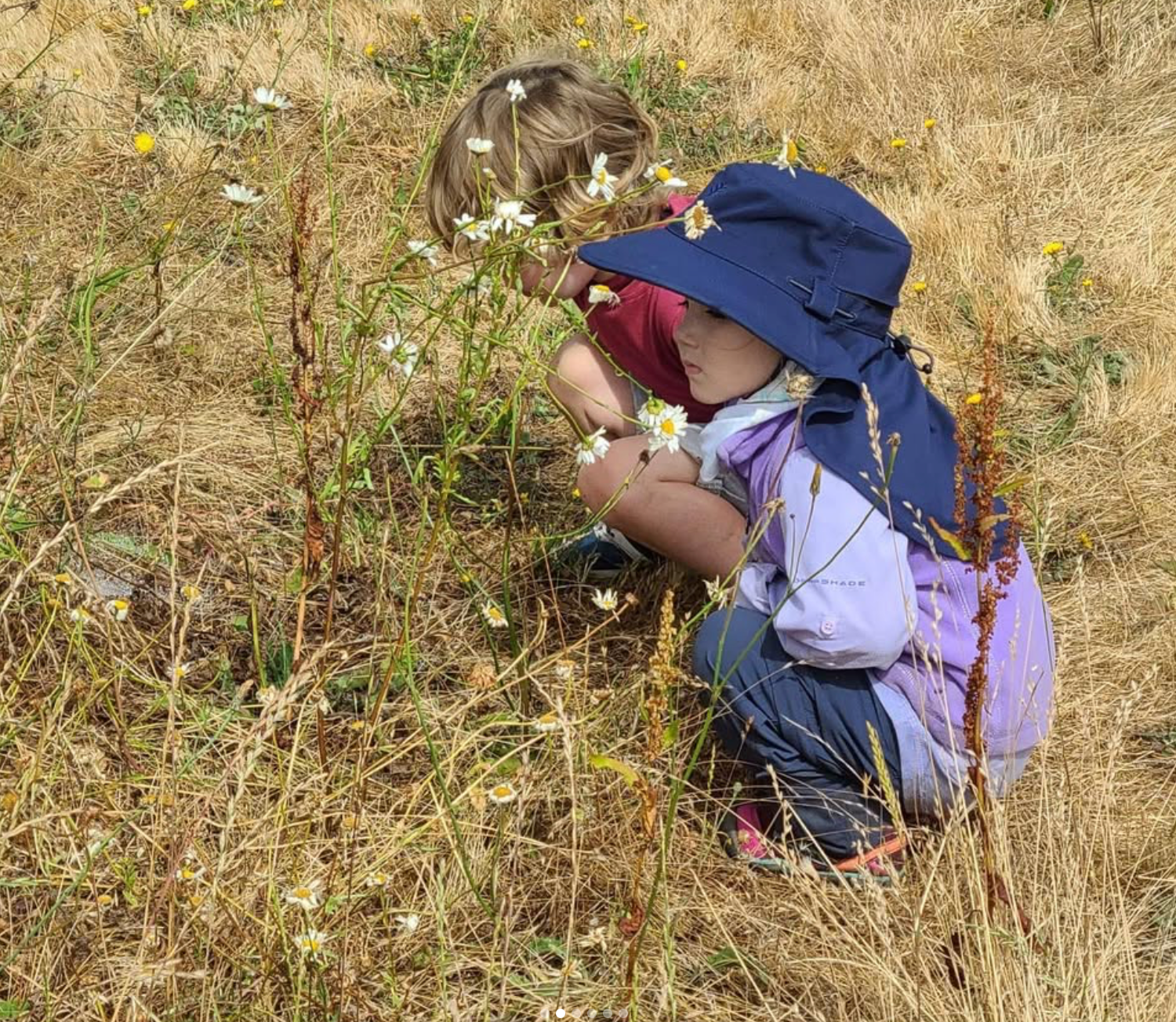
The Montessori philosophy emphasizes a strong connection to nature and encourages curiosity about the natural world. Many Montessori classrooms include materials that support outdoor exploration and observation.
There is wide variation in how Montessori programs approach outdoor learning. Families should ask schools how much time children spend outside each day and how outdoor experiences are integrated into the curriculum. Programs that dedicate at least 30 percent of the day to outdoor time align most closely with outdoor education principles.
Traditional Schools Pivoting to Outdoor Education
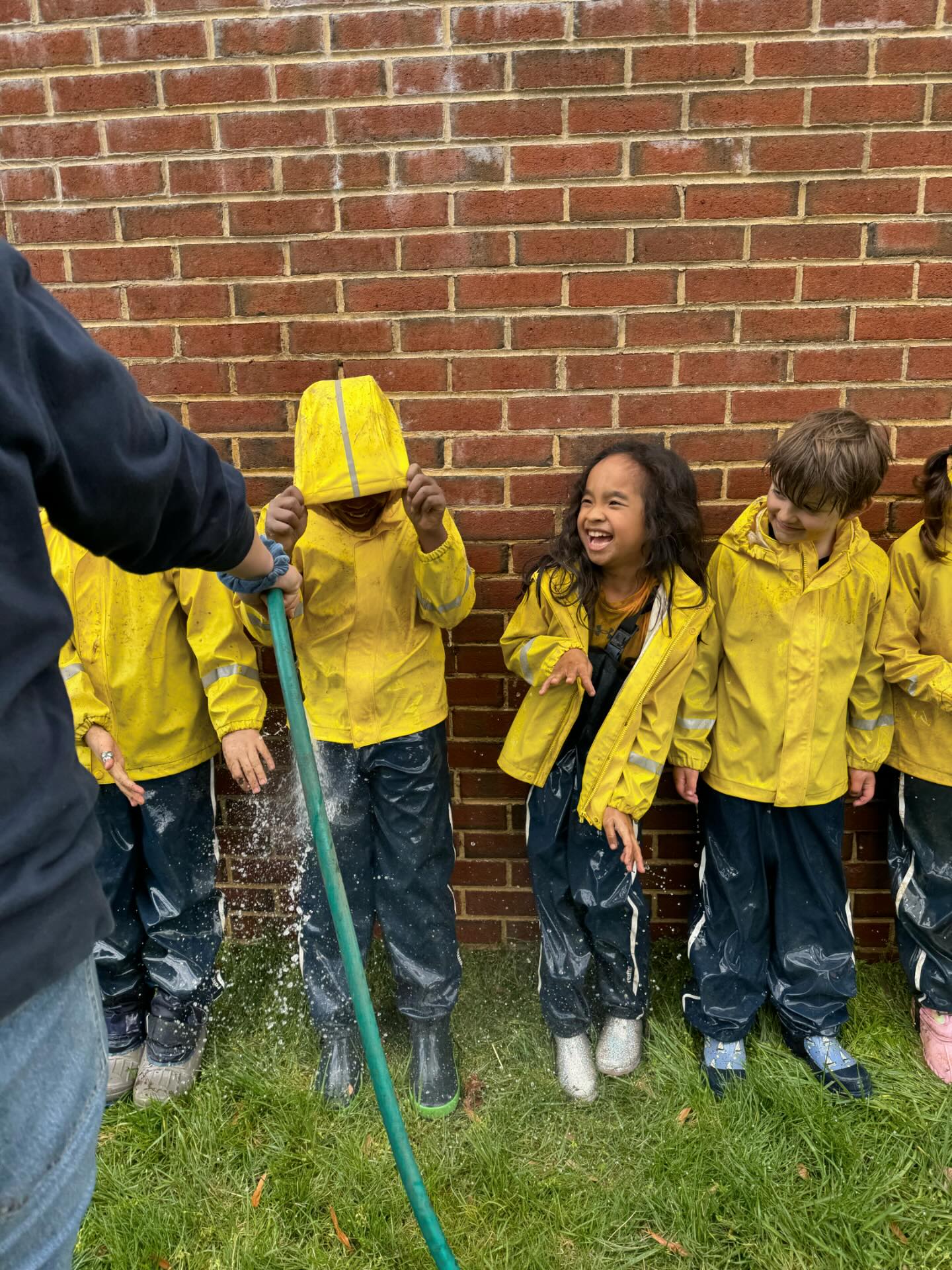
During the COVID-19 pandemic, many traditional public and private schools expanded outdoor learning opportunities. This shift introduced more families to the benefits of learning outside and demonstrated that outdoor education can be integrated into a variety of school models.
Some of these schools have continued incorporating outdoor learning beyond the pandemic, offering students more consistent access to outdoor time during the school day.
Why choose outdoor school?
Outdoor education supports children’s development across physical, cognitive, and social areas. Research over the past several decades has shown that learning outdoors can positively influence children’s growth in the following ways.
• Leadership development
• Imagination and creative thinking
• Gross motor skills and coordination
• Independence and problem-solving
• Self-confidence and resilience
• Immune system support
• Spatial awareness
• Support for children with attention or regulation challenges
Bring healthy balance
Natural outdoor light helps regulate circadian rhythms, supporting alertness during the day and improved sleep at night. Morning exposure to natural light plays an important role in setting the body’s internal clock, which can contribute to better sleep patterns.
Experience joy through learning
Early and consistent exposure to nature has been linked to curiosity, engagement, and a sense of wonder. Learning through direct experience encourages children to explore, observe, and ask questions, supporting long-term interest in learning across subjects.
Learning in open-ended environments
Outdoor environments are less structured than traditional classrooms. Expectations are simple and focused on safety, awareness, and care for others. This allows children to navigate challenges, assess risk, and build confidence through experience.